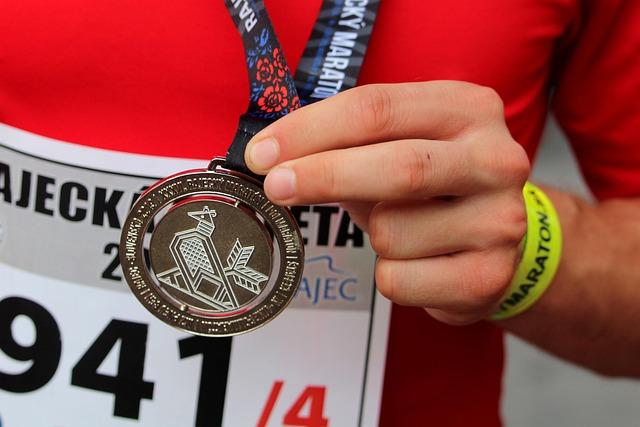
As the annual Comrades Marathon draws near, South Africa once again prepares to witness one of the world’s most grueling and celebrated ultra-marathon events. Beyond its status as a mere race, the Comrades has become a cultural phenomenon, reflecting the country’s deep-seated passion for endurance running. From amateur athletes to seasoned professionals, communities across the nation rally behind this iconic event, underscoring why South Africa has earned its reputation as an ultra-marathon mad nation. This article explores the roots of this fervor, the race’s enduring legacy, and what keeps the spirit of Comrades burning bright year after year.
Countdown to Comrades The Rise of Ultra-Marathon Culture in South Africa
South Africa’s passion for ultra-marathons is nothing short of contagious, with the Comrades Marathon standing at the pinnacle of this devotion. The race, often described as the ultimate test of human endurance, has cultivated a culture that stretches far beyond the 90-kilometre route between Durban and Pietermaritzburg. Across the country, communities gather annually to celebrate the spirit of resilience, camaraderie, and personal triumph that ultra-running embodies. This has contributed to an explosive growth in ultra-running clubs, training groups, and grassroots events, making the sport accessible to new generations of enthusiasts eager to challenge their limits.
Several key factors fuel this ultra-marathon mania:
- Historical legacy: With roots dating back to 1921, the race carries a rich tradition that infuses every participant with a sense of pride and history.
- Community impact: Towns along the route transform into vibrant hubs, providing support and motivation not only to runners but to spectators and volunteers.
- Health and wellness movement: Rising awareness and dedication to physical fitness have turned ultra-running from niche to mainstream.
| Year | Finishers | Avg Completion Time | New Entrants |
|---|---|---|---|
| 2019 | 18,000 | 9h 12m | 5,200 |
| 2022 | 25,500 | 8h 45m | 7,100 |
| 2023 | 27,300 | 8h 38m | 8,000 |
Training Traditions Insights from Elite Runners and Coaches
Elite South African runners and coaches attribute the nation’s dominance in ultra-marathons to a few key training philosophies that blend endurance with mental toughness. Among these, high-altitude training in regions like the Drakensberg Mountains is highly prized, allowing athletes to build exceptional aerobic capacity. Coupled with this is a culture that values consistency: weekly mileage often exceeds 160 km, with strategic tapering before race days. Coaches emphasize the importance of recovery, incorporating active rest techniques such as swimming and cycling to maintain fitness without overtraining. Nutrition tailored to long-distance demands also plays a crucial role, focusing on balanced carbohydrates and electrolytes to sustain energy over the grueling 90 km race distances.
The following table summarizes some common practices adopted by South African ultra-marathoners and their mentors:
| Training Element | Description | Benefits |
|---|---|---|
| Hill Repeats | Short bursts of uphill running | Builds strength & cardiac endurance |
| Back-to-Back Long Runs | Runs on consecutive days covering 40+ km | Simulates race fatigue |
| Mental Conditioning | Visualization and mindfulness exercises | Enhances focus and race resilience |
| Group Training | Regular runs with local clubs | Boosts motivation & pacing discipline |
| Cross-Training | Swimming, cycling, and gym sessions | Reduces injury risk and improves overall fitness |
Community Spirit and Economic Impact Recommendations for Supporting Grassroots Events
Grassroots ultra-marathon events like the Comrades Marathon are more than just sporting competitions; they act as a powerful catalyst for community cohesion and local economic growth. Encouraging partnerships between local municipalities, businesses, and running clubs can amplify these benefits by creating a supportive infrastructure that nurtures both participation and spectatorship. Investing in accessible training programs, safe running routes, and volunteer networks ensures that events remain inclusive, reflecting the diverse fabric of South African society. These initiatives not only inspire healthier lifestyles but also foster a sense of pride and unity, making every race day a communal celebration.
The economic ripple effect generated by grassroots ultra-marathons extends well beyond the race itself. Small businesses in accommodation, food services, and retail experience notable upturns, while local artisans and vendors benefit from increased exposure. To optimize this impact, event organizers should collaborate more closely with local entrepreneurs and tailor marketing efforts to highlight regional culture and products. The following table outlines key recommendations for stakeholders to maximize this symbiosis:
| Recommendation | Benefit | Stakeholders |
|---|---|---|
| Community-based marketing campaigns | Boost regional tourism | Local councils, tourism boards |
| Vendor inclusion programs | Increase local economic participation | Event organizers, small businesses |
| Volunteer training and engagement | Sustain event quality and safety | Running clubs, community groups |
Future Outlook
As the countdown to this year’s Comrades Marathon continues, South Africa’s enduring passion for ultra-distance running remains unmistakably vibrant. This iconic event not only challenges athletes’ physical limits but also unites a nation driven by resilience, community spirit, and a shared love for the extraordinary. From seasoned competitors to first-time entrants, the Comrades Marathon stands as a testament to South Africa’s unique place in the global ultra-running landscape-one where determination and heritage run hand in hand.