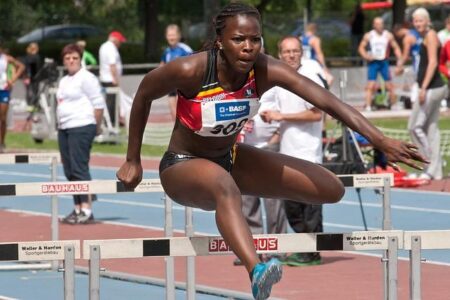

Katerina Johnson-Thompson’s withdrawal from the Commonwealth Games due to injury has raised fresh concerns over the increasing number of athlete pullouts at major sporting events. As one of Britain’s leading track and field stars, her absence deprives fans of a much-anticipated performance and highlights the ongoing challenges athletes face in maintaining peak fitness. This article explores the reasons behind the surge in withdrawals and what it means for the future of competitive sport.
Katerina Johnson-Thompson Injury Raises Concerns Over Athlete Welfare at Major Events
In recent years, the growing frequency of high-profile athlete withdrawals, such as Katerina Johnson-Thompson’s untimely exit from the Commonwealth Games due to injury, has sparked a heated debate about the demands placed on competitors at elite sporting events. Experts argue that the intense pressure to perform, compounded by tight competition schedules and limited recovery periods, significantly elevate the risk of injury, forcing athletes to prioritize long-term health over immediate glory. The physical toll endured by these sportspeople highlights a crucial need for better injury prevention measures and more flexible event programming.
Stakeholders across the sporting community are now advocating for enhanced welfare protocols that balance performance expectations with athlete well-being. Initiatives under consideration include:
- Extended rest intervals between events to ensure adequate recovery.
- Improved medical monitoring with real-time injury assessments.
- Technological support such as wearable devices to track fatigue and stress levels.
| Factor | Impact on Athletes |
|---|---|
| Compressed Schedule | Increases injury risk due to fatigue |
| High Performance Pressure | Leads to overtraining and stress |
| Insufficient Recovery Time | Delays healing, prolongs injuries |
| Limited Medical Support | Inadequate injury prevention |
Examining the Physical and Mental Demands Leading to Increased Withdrawals in Elite Sports
Elite athletes like Katerina Johnson-Thompson face a unique combination of physical and psychological pressures that contribute to the rising trend of withdrawals from major competitions. The relentless training schedules, coupled with high-impact events such as the heptathlon, place tremendous strain on the body. Overuse injuries, muscle fatigue, and delayed recovery periods are common, often forcing athletes to prioritize long-term health over immediate performance. Physiological demands intensify when competing against the clock and world-class rivals, pushing athletes to their limits – and sometimes beyond.
On the mental front, the burden of expectation weighs heavily. The stress of public scrutiny, media attention, and personal goals can trigger burnout and emotional exhaustion. Key factors affecting athletes include:
- Performance anxiety: The fear of underperforming under global spotlight.
- Isolation: Rigorous training regimes often disconnect athletes from social support systems.
- Unrelenting schedules: Constant travel and competition with limited downtime.
| Physical Demand | Mental Demand |
|---|---|
| High-impact training injuries | Performance-related anxiety |
| Early season overexertion | Pressure from media & sponsors |
| Recovery & rehabilitation challenges | Burnout from constant competition |
Strategies for Preventing Injuries and Supporting Athlete Wellbeing Ahead of International Competitions
Elite athletes face immense physical and mental demands that make injury prevention a critical focus in the lead-up to major events. Central to mitigating risks are personalized training regimens that balance workload intensity with adequate recovery periods. Coaches and medical teams use cutting-edge monitoring tools, including biomechanical assessments and wearable technology, to track fatigue levels and detect early signs of overuse. Equally vital is the integration of sports psychology support, which addresses stress management and mental resilience, reducing the chance of burnout that often precedes injury.
Beyond physical conditioning, fostering a holistic approach to wellbeing ensures athletes are equipped to perform at their best. This includes:
- Nutrition plans tailored to support recovery and sustain energy
- Sleep optimization protocols to promote healing and cognitive sharpness
- Regular physiological screenings to catch emerging health concerns early
- Open communication channels between athletes, coaches, and medical staff
| Strategy | Benefit | Implementation |
|---|---|---|
| Periodized Training | Prevents overtraining | Structured cycles of intensity |
| Wearable Monitoring | Real-time fatigue data | Heart rate and motion sensors |
| Psychological Support | Stress and anxiety reduction | Regular mental health sessions |
To Wrap It Up
Katerina Johnson-Thompson’s withdrawal from the Commonwealth Games highlights a recurring challenge faced by elite athletes: managing injuries amid intense competition schedules. As the demands on athletes continue to rise, questions remain about how sports organizations can better support their physical and mental wellbeing. With high-profile withdrawals becoming increasingly common, the sporting world is prompted to reflect on the balance between athletic ambition and sustainable health, ensuring that the spirit of competition is upheld without compromising the long-term careers of its stars.