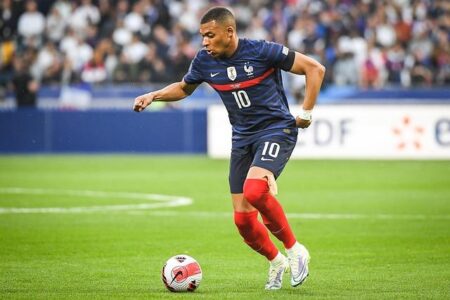

As debates over Name, Image, and Likeness (NIL) regulations continue to intensify, Congress faces significant challenges in establishing standardized rules for college athletes nationwide. Spectrum News reports that efforts to create cohesive federal legislation are encountering political roadblocks and conflicting interests, leaving the future of NIL policies uncertain. This impasse comes amid growing pressure from universities, athletes, and advocacy groups seeking clarity and fairness in an evolving landscape that fundamentally alters amateur sports.
Challenges Stall NIL Legislation Amid Conflicts Over Athlete Compensation Framework
Efforts to establish a unified framework for Name, Image, and Likeness (NIL) regulations are currently at a standstill in Congress due to deep-rooted disagreements among lawmakers and stakeholders. Central points of contention include the scope of athlete compensation, the role of educational institutions, and the potential impact on amateurism in college sports. Some legislators argue for strong federal oversight to protect student-athletes from exploitation, while others advocate for broader autonomy, emphasizing market-driven opportunities.
Compounding the legislative gridlock are concerns about unequal financial influence across different sports and schools, as well as fears over competitive imbalance. Key challenges highlighted by experts include:
- Defining compensable activities: What types of NIL interactions qualify for payment?
- Monitoring compliance: Developing a system to ensure transparency and fairness.
- Protecting educational priorities: Ensuring athletics compensation doesn’t overshadow academics.
- Addressing disparities: Preventing wealthier programs from monopolizing top talent through NIL deals.
| Stakeholder | Main Concern | Legislative Position |
|---|---|---|
| Lawmakers | Federal oversight vs. autonomy | Split between strict regulation and decentralization |
| Universities | Maintaining amateur status | Favor safeguards but willing to adapt |
| Athletes | Fair access to compensation | Push for broader earning opportunities |
| Professional Leagues | Talent pipeline integrity | Seek clarity on eligibility and rights |
Impact of Regulatory Delays on College Sports Programs and Athlete Opportunities
When NIL (Name, Image, and Likeness) regulations linger in legislative limbo, college sports programs face cascading challenges that extend far beyond compliance. Delays create uncertainty for coaches and athletic departments, making it difficult to plan recruitment strategies or secure sponsorships that hinge on clear NIL frameworks. Moreover, universities competing to attract top talent might find themselves at a disadvantage compared to institutions in states with established NIL policies, causing an uneven playing field across collegiate athletics.
For the athletes, these regulatory setbacks translate into missed opportunities and financial limbo. Without definitive guidance, student-athletes often hold back from fully engaging with potential NIL deals, risking both their eligibility and earning potential. Key impacts include:
- Limited access to endorsement deals: Corporations hesitant to negotiate without federal clarity.
- Inconsistent protections: Variations in state laws can expose athletes to exploitation or legal risks.
- Delay in financial planning: Athletes struggle to manage newfound income streams effectively.
| Stakeholder | Short-Term Impact | Long-Term Risk |
|---|---|---|
| Universities | Uncertain recruitment | Competitive imbalance |
| Student-Athletes | Missed deals | Legal vulnerabilities |
| Sponsors | Hesitant investments | Brand inconsistency |
Experts Call for Clear Federal Guidelines to Streamline NIL Compliance and Protect Stakeholders
In the wake of mounting confusion around Name, Image, and Likeness (NIL) regulations, experts emphasize the urgent need for comprehensive federal guidelines to unify the fragmented landscape across states. Current disparities have left universities, athletes, and sponsors navigating a complex patchwork of rules, raising concerns over compliance risks and legal vulnerabilities. Advocates argue that clear, standardized policies would not only safeguard athletes’ rights but also streamline endorsement processes and reduce administrative burdens on educational institutions.
Among key recommendations, industry specialists propose the establishment of a centralized regulatory framework featuring:
- Uniform disclosure requirements to ensure transparency among athletes, agents, and schools.
- Defined boundaries for third-party involvement to prevent exploitation and conflicts of interest.
- Consistent tax and eligibility guidelines to avoid penalizing athletes unfairly.
| Stakeholder | Main Concern | Potential Benefit |
|---|---|---|
| College Athletes | Legal ambiguity | Clear contract standards |
| Universities | Compliance complexity | Reduced administrative hurdles |
| Brands & Sponsors | Inconsistent rules per state | Predictable marketing environment |
In Summary
As lawmakers continue to debate the complexities surrounding NIL regulations, the path to a unified federal framework remains uncertain. With varying interests from athletes, institutions, and lawmakers themselves, the future of college athletes’ name, image, and likeness rights hangs in the balance. Spectrum News will keep tracking these developments as Congress works to shape policies that could redefine collegiate sports for years to come.