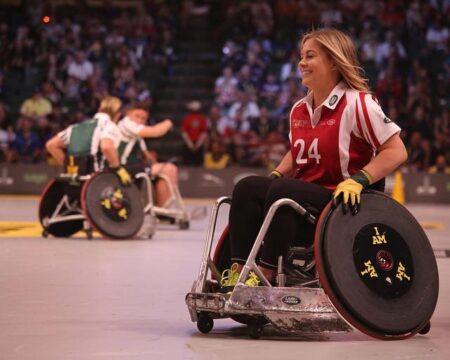
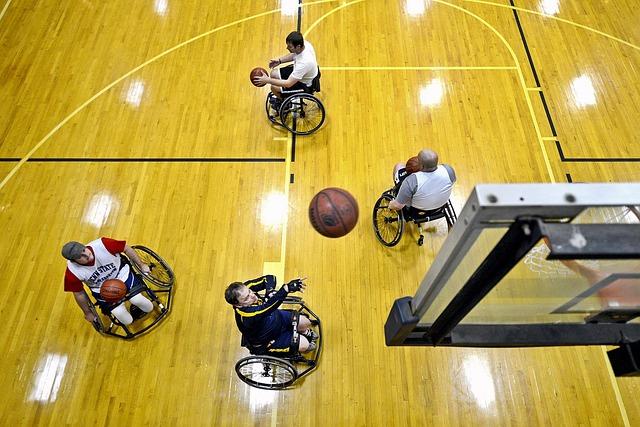
Sport Ireland has unveiled a comprehensive Disability Training Framework aimed at enhancing equality, diversity, and inclusion across the nation’s sporting landscape. This initiative seeks to equip organizations, coaches, and volunteers with the necessary skills and knowledge to create more accessible and welcoming environments for athletes with disabilities. As Ireland increasingly prioritizes inclusive participation in sport, the framework represents a significant step towards ensuring that opportunities for engagement and excellence are available to all, regardless of ability.
Disability Training Framework Empowers Coaches to Foster Inclusive Sport Environments
This innovative framework equips coaches with practical tools and knowledge to confidently support athletes with disabilities, ensuring their full participation in sporting activities. Emphasizing adaptive coaching methods, communication strategies, and accessibility considerations, it enables a shift from traditional practices to more inclusive coaching environments. The approach fosters empathy, understanding, and respect, essential ingredients for building teams that celebrate diversity in ability.
Key components of the framework include:
- Awareness Training: Understanding different types of disabilities and how they impact sport involvement.
- Inclusive Coaching Techniques: Adapting drills, schedules, and feedback to meet diverse needs.
- Policy Guidance: Creating club-level inclusion policies that promote accessibility and equality.
- Community Engagement: Encouraging collaboration between athletes, families, and support networks.
| Training Module | Duration | Outcome |
|---|---|---|
| Disability Awareness | 2 hours | Enhanced understanding of athlete needs |
| Adaptive Coaching | 3 hours | Skills to modify training plans |
| Communication & Inclusion | 1.5 hours | Improved engagement with athletes and families |
Unlocking Equality Through Targeted Diversity Initiatives in Irish Sports
Sport Ireland’s latest initiatives are making significant strides in fostering inclusivity and dismantling barriers within the Irish sporting community. By implementing targeted diversity programs, the organisation is ensuring that athletes with disabilities receive equitable opportunities to participate, compete, and thrive at all levels. These initiatives emphasize accessible training environments, tailored coaching techniques, and increased awareness among sports leaders about the unique challenges faced by disabled athletes. The approach not only champions fairness but actively transforms the sporting landscape to reflect the rich diversity present in Irish society.
The framework supports organisations through practical tools and resources, encouraging a culture where difference is celebrated and inclusion is non-negotiable. Key components include:
- Adaptive skill development workshops for coaches and volunteers
- Partnerships with disability advocacy groups to tailor programs effectively
- Regular audits and impact assessments to monitor progress and accountability
| Initiative | Focus Area | Expected Outcome |
|---|---|---|
| Inclusive Coaching Modules | Education & Training | Enhanced coach preparedness |
| Community Engagement Drives | Awareness & Participation | Broader athlete inclusion |
| Facility Accessibility Grants | Infrastructure | Improved physical access |
Key Recommendations for Embedding Inclusion Best Practices Across Sport Ireland Programs
Embedding inclusion across all Sport Ireland programs requires a proactive approach centered on continuous education and culture change. Sport leaders are encouraged to integrate disability awareness modules into all staff and coach training, ensuring that understanding and empathy are not occasional but foundational. This involves creating tailored learning experiences that address specific needs within diverse sporting environments, breaking down barriers while fostering meaningful participation for all. Key stakeholders must also prioritize clear communication strategies that reflect inclusive values, leveraging accessible language and formats to engage participants and communities effectively.
To further support this transformation, organizations should adopt flexible and measurable frameworks that evaluate progress and identify gaps regularly. The table below highlights essential focus areas and recommended actions to achieve sustainable inclusion:
| Focus Area | Recommended Action | Outcome |
|---|---|---|
| Training & Education | Mandatory disability and inclusion workshops quarterly | Improved awareness and skills |
| Community Engagement | Partnerships with local disability groups | Stronger participant recruitment |
| Policy Development | Inclusive language and accessibility guidelines | Consistent and clear organizational standards |
| Monitoring & Reporting | Regular inclusion audits and feedback loops | Data-driven improvements |
To Conclude
In summary, Sport Ireland’s Disability Training Framework marks a significant step forward in fostering equality, diversity, and inclusion within the Irish sporting landscape. By equipping coaches, administrators, and organizations with the necessary tools and knowledge, the framework aims to break down barriers and create more accessible opportunities for athletes with disabilities. As Sport Ireland continues to champion these initiatives, the broader sports community is called upon to embrace and support efforts that promote genuine inclusivity, ensuring that everyone can participate and thrive in sport.