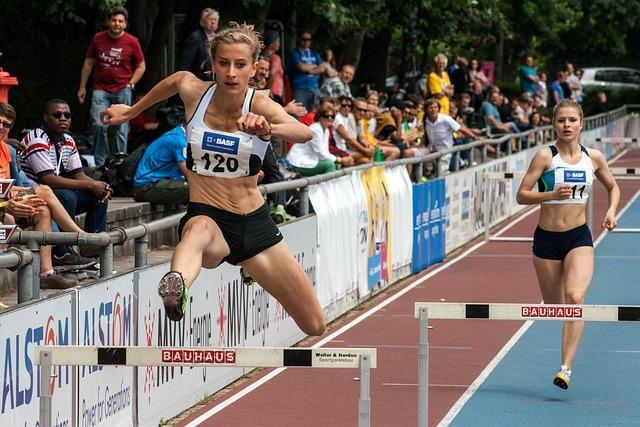
The hurdles event has long been a thrilling highlight of Olympic athletics, combining speed, technique, and endurance in a race against both competitors and gravity. On olympics.com, fans and enthusiasts can explore the rich history, evolving strategies, and standout athletes who have shaped hurdles into one of the most dynamic and closely watched disciplines on the track. As the world eagerly anticipates each Olympic Games, the hurdles continue to captivate with their blend of agility and athleticism, showcasing the pinnacle of human performance on the international stage.
Training Techniques That Shape Olympic Hurdles Champions
Olympic hurdlers rely on a multifaceted training regime that combines explosive power development, precise technique refinement, and mental toughness. Athletes dedicate countless hours to drills that enhance their hurdle clearance efficiency, focusing on the optimal knee lift, stride length, and arm movement to maintain speed between barriers. Incorporating plyometric exercises and resistance training helps build the explosive leg strength necessary to accelerate rapidly out of the blocks and sustain velocity throughout the race.
Key components of champion hurdler training include:
- Dynamic flexibility routines for injury prevention and improved range of motion
- Video analysis sessions to break down technique and eliminate inefficiencies
- Interval sprint workouts to simulate race conditions and build endurance
- Reaction time drills to sharpen start-phase explosiveness
| Training Element | Focus | Frequency |
|---|---|---|
| Plyometrics | Explosive power | 3x per week |
| Technical Drills | Hurdle clearance | Daily |
| Sprint Intervals | Speed endurance | 4x per week |
| Video Analysis | Technique adjustments | Weekly |
Key Rules and Regulations Impacting Olympic Hurdles Competition
In Olympic hurdles events, strict adherence to technical rules ensures fairness and uniformity across all competitions. Athletes must clear each hurdle without deliberately knocking it down; however, unintentional contact is not grounds for disqualification. A false start, defined as leaving the blocks before the starter’s gun, results in immediate elimination, emphasizing the importance of precision and focus at the moment of launch. The hurdles themselves are standardized in height and spacing according to gender and event distance, with any deviation resulting in event invalidation.
Key regulations include:
- Hurdle heights: 42 inches (men’s 110m), 33 inches (women’s 100m)
- Number of hurdles: 10 hurdles per sprint race
- Lane discipline: Athletes must stay within their designated lane at all times
- Disqualification triggers: False starts, hurdle interference, lane violations
| Event | Distance | Hurdle Height | Number of Hurdles |
|---|---|---|---|
| Men’s 110m Hurdles | 110 meters | 42 inches (106.7 cm) | 10 |
| Women’s 100m Hurdles | 100 meters | 33 inches (83.8 cm) | 10 |
| Men’s 400m Hurdles | 400 meters | 36 inches (91.4 cm) | 10 |
| Women’s 400m Hurdles | 400 meters | 30 inches (76.2 cm) | 10 |
Expert Tips for Aspiring Olympic Hurdlers to Improve Performance
Mastering the art of hurdling demands a blend of speed, agility, and technique that goes beyond raw athleticism. Aspiring Olympic hurdlers must prioritize consistent hurdle clearance drills to sharpen timing and ensure seamless transitions between strides. Incorporating plyometric exercises such as box jumps and bounding will enhance explosive power, vital for both sprint starts and hurdle take-offs. Additionally, refining flexibility, particularly in the hip flexors and hamstrings, can dramatically reduce the risk of injury while improving stride efficiency.
Equally important is mental preparation; elite hurdlers use visualization techniques to anticipate race flow and hurdle rhythm. Nutrition tailored to sustain high-intensity training phases, combined with strategic rest periods, accelerates recovery and performance gains. Below is a quick reference table summarizing key training focus areas:
| Area | Focus | Benefit |
|---|---|---|
| Technique | Hurdle clearance drills | Smooth transitions |
| Strength | Plyometrics | Explosive power |
| Flexibility | Hip and hamstring stretches | Injury prevention |
| Mental | Visualization | Race readiness |
| Recovery | Nutrition & rest | Performance gain |
- Optimize hurdle approach: Maintain a consistent stride pattern leading up to each hurdle.
- Focus on lead leg mechanics: Extend quickly and snap down to minimize air time.
- Train under varied conditions: Adaptability is key to handling unexpected race day variables.
Insights and Conclusions
As the Olympic flame continues to burn bright, the hurdles remain a centerpiece of athletic excellence, combining speed, agility, and resilience on the world’s most prestigious stage. From thrilling sprints to strategic technique, the event encapsulates the spirit of competition that defines the Games. For fans and aspiring athletes alike, the story of Olympic hurdles is far from over-each race writing a new chapter in the evolving legacy of human performance. Stay tuned to Olympics.com for the latest updates and in-depth coverage of this captivating discipline.