
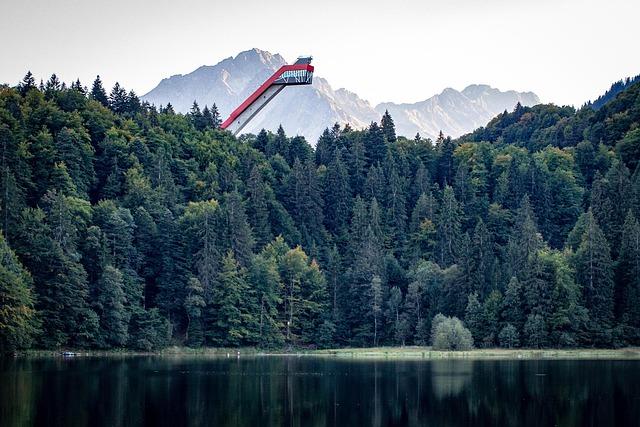
The Utah Olympic Park’s ski jumps have earned top honors in the Sports and Entertainment category of this year’s Engineering News-Record (ENR) Best Projects awards. Renowned for their innovative design and engineering excellence, these state-of-the-art structures not only played a pivotal role during the 2002 Winter Olympics but continue to set a global standard for winter sports facilities. This article takes an in-depth look at the engineering achievements behind the ski jumps, highlighting the collaboration, technical challenges, and sustainable practices that propelled the project to national recognition.
Engineering Excellence Behind Utah Olympic Park Ski Jumps Redefines Winter Sports Infrastructure
At the heart of the Utah Olympic Park’s ski jumps lies a remarkable fusion of cutting-edge engineering and innovative design that has set a new standard for winter sports infrastructure. The project team harnessed advanced materials and precision construction techniques to ensure that each jump meets the highest safety and performance criteria demanded by international competition. Key engineering milestones included:
- Custom high-strength steel frameworks that offer resilience against extreme weather conditions
- Aerodynamic shaping to optimize jump trajectory and athlete performance
- State-of-the-art drainage systems that maintain optimal surface conditions year-round
Beyond structural innovation, the collaboration between architects, engineers, and winter sports professionals resulted in a facility that is as functional as it is iconic. The design prioritizes sustainability, with energy-efficient lighting and materials sourced to minimize environmental impact. Below is a quick overview of some critical project specifications:
| Feature | Specification |
|---|---|
| Jump Heights | 90m (Normal), 120m (Large) |
| Structural Steel Used | Over 1,500 tons |
| Surface Material | Composite fiberglass panels |
| Completion Time | 14 months |
Innovative Design Solutions Enhance Athlete Safety and Spectator Experience at Utah Ski Jumps
Engineers employed cutting-edge technology and materials at Utah Olympic Park to revolutionize ski jump design, prioritizing both athlete safety and the spectator experience. Key safety enhancements include meticulously engineered wind barriers and shock-absorbent landing surfaces, which mitigate injury risks during high-speed descents. The integration of dynamic weather monitoring systems enables officials to adjust jump conditions in real time, ensuring optimal performance environments while safeguarding athletes against unpredictable elements.
Fans benefit from elevated viewing platforms integrated with interactive digital displays, delivering instant replays and athlete biometrics for an immersive experience. Additionally, upgraded access routes and seating maximize comfort and visibility, turning every event into a memorable spectacle. Below is a summary of the innovative features introduced:
- Wind-Responsive Barriers: Adaptive structures reduce airborne instability.
- Impact-Absorbing Landing Mats: Enhanced cushioning for safer landings.
- Real-Time Weather Analytics: Data-driven decision-making for event adjustments.
- Interactive Spectator Displays: Live stats and replays enhance engagement.
- Improved Access and Seating: Optimized for comfort and panoramic views.
| Feature | Benefit | Impact Score* | |||||||||||||||||
|---|---|---|---|---|---|---|---|---|---|---|---|---|---|---|---|---|---|---|---|
| Wind Barriers | Reduced crosswinds for safer jumps | 9.2 | |||||||||||||||||
| Landing Mats | Lower injury rate | 8.7 | |||||||||||||||||
| Weather Analytics | Optimal event timing | 8.5 | |||||||||||||||||
| Spectator Displays | Enhanced engagement | 8.9 | |||||||||||||||||
| Seating & Access | Improved comfort & flow | 8.3 | |||||||||||||||||
| * Impact score based on stakeholder feedback (out of 10) | |||||||||||||||||||
| Feature | Benefit | Impact Score* | |||||||||||||||||
|---|---|---|---|---|---|---|---|---|---|---|---|---|---|---|---|---|---|---|---|
| Wind Barriers | Reduced crosswinds for safer jumps | 9.2 | |||||||||||||||||
| Landing Mats | Lower injury rate | 8.7 | |||||||||||||||||
| Weather Analytics | Optimal event timing | 8.5 | |||||||||||||||||
| Spectator Displays | Enhanced engagement | 8.9 | |||||||||||||||||
| Seating & Access | Improved comfort & flow | 8.3 |
| Project Element | Key Success Factor | Future Application | ||
|---|---|---|---|---|
| Ski Jump Engineering | Precision aerodynamic shape and material selection | Customize to sport-specific aerodynamic needs | ||
| Site Integration | Minimal landscape disturbance and natural aesthetics | Site Integration | Minimal landscape disturbance and natural aesthetics | Design adaptable layouts respecting environmental and cultural contexts |
| Structural Health Monitoring | Real-time data collection for proactive maintenance | Integrate IoT sensors and AI analytics for ongoing performance optimization | ||
| Collaborative Planning | Early multidisciplinary involvement | Foster integrated teams for holistic problem-solving and innovation |