
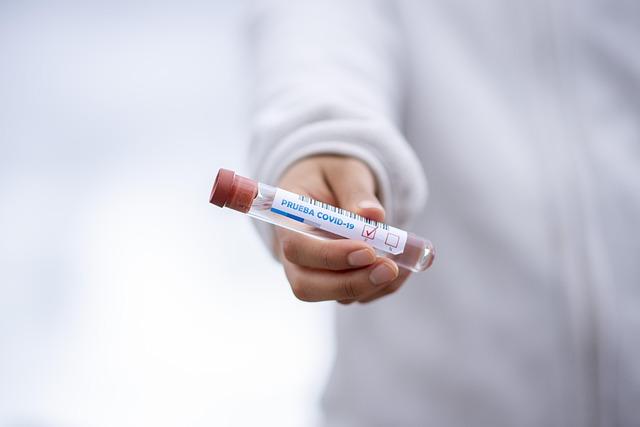
In the world of competitive marathon running, maintaining a level playing field is paramount. Two of the most prestigious endurance events-the UTMB (Ultra-Trail du Mont-Blanc) and the Western States Endurance Run-have implemented rigorous anti-doping protocols to uphold the integrity of their races. This article delves into how these iconic marathons test for doping, examining the methods, technologies, and regulations that ensure fair competition. As marathoners push their limits across challenging terrains, organizers are equally committed to protecting the sport’s spirit through comprehensive and transparent doping control measures.
UTMB and Western States Doping Control Procedures Explained
Both UTMB and Western States employ rigorous doping control measures to maintain the integrity of their events, reflecting their commitment to fair competition. At the finish line, selected athletes undergo immediate testing, which includes both urine and blood samples. This process is overseen by WADA-certified officials who ensure strict adherence to international anti-doping standards. Notably, the sample collection is randomized but tends to focus on top finishers and athletes displaying suspicious performance patterns, ensuring a balanced approach between unpredictability and targeted scrutiny.
Key elements of the procedures include:
- Use of tamper-evident kits for sample collection
- On-site medical personnel conducting initial screening
- Chain of custody protocols to guarantee sample integrity
- Confidential notification and right to have a representative during testing
| Aspect | UTMB | Western States |
|---|---|---|
| Type of Samples | Urine & Blood | Urine & Blood |
| Selection Criteria | Random & Performance-Based | Random & Performance-Based |
| Testing Authority | WADA-Certified Officials | WADA-Certified Officials |
| Result Notification | Within 30 Days | Within 30 Days |
Inside the Testing Protocols Ensuring Fair Competition
The UTMB and Western States competitions employ a rigorous anti-doping regime designed to maintain the integrity of the sport. Athletes are subjected to both in-competition and out-of-competition testing, using a combination of urine and blood samples to detect prohibited substances. These protocols align with World Anti-Doping Agency (WADA) standards, ensuring consistency and fairness across all levels of participation. Testing is strategically randomized to prevent predictability and discourage any attempts to bypass the system. Athletes selected for testing receive clear instructions, and compliance is mandatory under threat of disqualification and sanctions.
Testing procedures are supported by state-of-the-art laboratories accredited for their precision and reliability. Below is a snapshot of the primary testing methods used:
- Urine Analysis: Focuses on detecting anabolic steroids, stimulants, and masking agents.
- Blood Testing: Targets blood doping practices and erythropoietin (EPO) usage.
- Biological Passport Monitoring: Monitors longitudinal biomarkers to identify physiological anomalies.
| Test Type | Substances Detectable | Sample Collected |
|---|---|---|
| Standard Doping Panel | Anabolic Steroids, Stimulants | Urine |
| EPO and Blood Manipulation | Erythropoietin, Blood Transfusions | Blood |
| Biological Passport | Long-term Biomarker Changes | Blood & Urine |
Expert Advice on Preparing for Marathon Anti-Doping Checks
Preparing for doping controls at premier events like UTMB and Western States means understanding the protocols and regulations that testing authorities enforce. Athletes should be ready for both in-competition and out-of-competition tests, which can include urine and blood sampling. Organizers emphasize transparency and fairness, so carrying proper identification and staying informed about the doping control schedule are critical. Familiarize yourself with the list of prohibited substances published annually by WADA to avoid accidental violations. Staying hydrated is crucial, but remember to avoid excessive fluid intake immediately before testing to prevent sample dilution, which can lead to further scrutiny.
Key preparation tips include:
- Ensure personal information and whereabouts are up-to-date in anti-doping registries
- Keep all medications and supplements documented and check for banned substances
- Wear accessible attire to facilitate the sample collection process
- Maintain calm and cooperative behavior during the testing procedure
- Respect the privacy and confidentiality rules established by anti-doping officials
| Test Type | Sample Collected | Common Checkpoints |
|---|---|---|
| In-Competition | Urine & Blood | Finish Line, Doping Control Stations |
| Out-of-Competition | Blood | Training Camps, Residence |
To Conclude
As anti-doping measures continue to evolve, institutions like UTMB and Western States remain at the forefront of ensuring fair competition in endurance sports. Their rigorous testing protocols not only uphold the integrity of marathon events but also serve as a deterrent against performance-enhancing drug use. For athletes and fans alike, understanding these procedures highlights the commitment within the running community to clean and honest competition. Staying informed about such measures is essential as the sport strives toward greater transparency and fairness in the years ahead.