Athletics Canada has announced that the highly anticipated 2027 and 2028 Mountain and Trail Running Championships will head west, bringing elite competition and vibrant community events to new locations. This strategic move highlights the growing prominence of mountain and trail running across Canada’s western regions, promising thrilling races set against some of the country’s most stunning natural landscapes. As athletes prepare to tackle challenging courses and fierce competition, organizers emphasize the importance of fostering local engagement and showcasing the sport’s dynamic growth on the national stage.
Upcoming Championship Venues Spotlight Western Canada’s Rugged Terrain
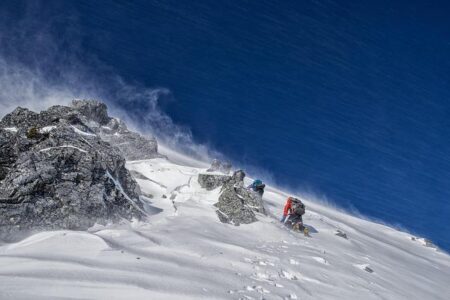
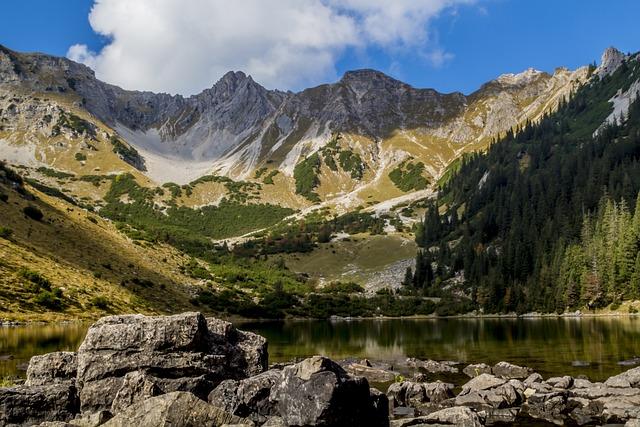
Set against the formidable backdrop of Western Canada’s iconic mountain ranges and dense forests, the chosen venues for the upcoming championships promise an unparalleled challenge for elite runners and adventure enthusiasts alike. These locations boast a unique combination of steep ascents, technical trails, and breathtaking vistas, showcasing the true grit and endurance required to conquer the rugged terrain. From the winding paths of Whistler’s alpine corridors to the rocky ridges of Jasper National Park, competitors will navigate a variety of elevations and climates, testing both their physical and mental fortitude.
Key features that define these championship venues include:
- Elevation gains exceeding 2,000 meters in select courses
- Diverse ecosystems ranging from temperate rainforests to alpine tundra
- Technical trail sections with rocky outcrops and narrow singletracks
- State-of-the-art support facilities designed to ensure athlete safety and logistical efficiency
| Venue | Location | Average Elevation Gain | Trail Length |
|---|---|---|---|
| Whistler Mountain Trails | British Columbia | 2,100 m | 45 km |
| Jasper Ridge Circuits | Alberta | 1,850 m | 38 km |
| Kootenay High Trails | British Columbia | 2,250 m | 42 km |
Training Strategies Tailored for Mountain and Trail Running Challenges
Conquering the rugged terrains of mountain and trail running requires more than just endurance-it demands a finely tuned strategy that adapts to varied elevation profiles and unpredictable weather. Athletes aiming for success at the 2027 & 2028 championships must prioritize altitude acclimatization and incorporate trail-specific strength training. Efficient uphill pacing and controlled descents are critical skills, best developed through interval sessions blending steep climbs with technical downhill running. Incorporating cross-training activities such as hiking and plyometrics can enhance joint stability and explosive power, giving competitors an edge on rocky, uneven surfaces.
Nutritional strategies also play a pivotal role, emphasizing sustained energy release during prolonged exertion. Runners should focus on electrolyte balance alongside carbohydrate intake to combat dehydration and muscle fatigue on challenging courses. Below is a snapshot of key training components tailoring athletes for peak performance in mountain and trail environments:
| Training Element | Focus Area | Recommended Frequency |
|---|---|---|
| Elevation Intervals | Uphill/endurance | 2-3 times/week |
| Technical Trail Runs | Balance & agility | Weekly |
| Strength Training | Core & leg power | 2 times/week |
| Cross-Training (Hiking, Plyometrics) | Joint stability | 1-2 times/week |
| Nutrition Strategy | Energy & hydration | Daily |
Community Engagement and Environmental Considerations in Hosting Peak Racing Events
Local communities play a pivotal role in the success of the 2027 and 2028 Mountain and Trail Running Championships as the events travel west. Organizers are collaborating closely with municipal partners, Indigenous groups, and local businesses to ensure a welcoming atmosphere that celebrates regional culture and heritage. Volunteer programs have been expanded to include environmental stewards and cultural ambassadors, fostering a sense of ownership and pride among residents. Initiatives such as community trail cleanups, educational workshops, and family-friendly activities are being planned to engage participants and spectators alike, creating lasting connections beyond the race days.
Environmental stewardship remains at the forefront of event planning, with comprehensive measures designed to protect the fragile mountain ecosystems that make these races iconic. The championships are implementing zero-waste policies and promoting sustainable transportation options, including shuttle services and bike partnerships. Race routes have been carefully mapped to minimize ecological disturbance, and post-event rehabilitation efforts will restore any impacted areas. Below is a snapshot of the core sustainable practices integrated into the event framework:
| Practice | Description |
|---|---|
| Waste Reduction | Composting, recycling stations, and reusable gear |
| Trail Preservation | Route adjustments to avoid sensitive habitats |
| Community Involvement | Local volunteer environmental monitors |
| Transportation | Shared shuttles and bike-incentive programs |
| Education & Outreach | Workshops and signage promoting conservation |
In Retrospect
As Athletics Canada prepares to bring the 2027 and 2028 Mountain and Trail Running Championships to the western provinces, anticipation is building among athletes and fans alike. These upcoming events promise to showcase Canada’s diverse and challenging terrains while highlighting the country’s growing prominence in the sport. With detailed preparations underway, the championships are set to offer a thrilling blend of competition and natural beauty, further cementing Canada’s status on the global mountain and trail running stage.