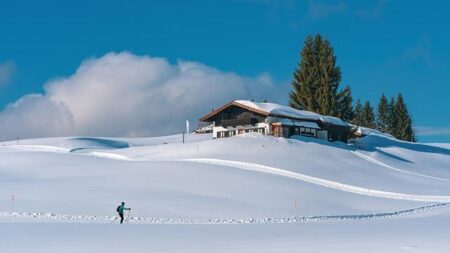

Innsbruck is set to become the focal point of groundbreaking research as a new thermoregulation study is launched, aiming to deepen understanding of how the human body adapts to varying temperatures during athletic performance. Spearheaded by World Athletics, the investigation will gather critical data to enhance athlete safety and optimize training protocols in diverse climatic conditions. This initiative underscores the growing emphasis on science-driven approaches within the global sports community to improve competitor health and performance on the world stage.
Thermoregulation Study Set to Revolutionize Athletic Performance in High Altitudes
Innsbruck, known for its challenging alpine terrain, has been selected as the latest hub for groundbreaking research aimed at optimizing athletic performance under extreme environmental stress. The upcoming study will delve deep into how athletes’ bodies regulate heat and maintain stability when competing at high altitudes, where lower oxygen levels and temperature fluctuations pose significant physiological hurdles. Utilizing state-of-the-art monitoring technologies, researchers will analyze core body temperature, sweat rates, and cardiovascular responses in real-time to develop tailored thermoregulatory strategies.
Key objectives of the study include:
- Assessing the impact of cold and hypoxia on endurance and sprint performance
- Establishing individualized cooling and hydration protocols
- Enhancing recovery processes through temperature modulation
| Parameter | High Altitude Effect | Expected Outcome |
|---|---|---|
| Core Temperature | Lower basal levels | Improved heat retention techniques |
| Sweat Rate | Reduced evaporation | Optimized hydration timing |
| Heart Rate | Elevated resting rate | Efficient cardiovascular conditioning |
In-Depth Analysis of Heat Management Techniques in Competitive Sports
The upcoming thermoregulation study in Innsbruck aims to dissect the multifaceted techniques athletes employ to cope with heat stress during intense competition. With rising global temperatures and frequent heatwaves impacting sporting calendars, understanding how the body responds and adapts is critical. Researchers will observe elite competitors utilizing a variety of strategies including:
- Pre-cooling methods such as ice vests and cold-water immersion
- Hydration protocols emphasizing electrolyte balance and fluid timing
- Clothing technology engineered for breathability and moisture wicking
- In-race cooling tactics involving mist sprays and shaded zones
Complementing the physiological assessments, performance metrics will be tracked to gauge the effectiveness of these interventions in real time. The study will feature a controlled environment replicating varied climatic conditions to better simulate outdoor events. Key insights expected from the research are summarized below:
| Technique | Primary Benefit | Potential Limitation |
|---|---|---|
| Ice Vest Pre-cooling | Body temperature reduction | Potential discomfort, limited duration |
| Electrolyte Hydration | Sustains muscle function | Risk of imbalance if overused |
| Technical Apparel | Improved sweat evaporation | Variable effectiveness by sport |
| Mist Cooling Zones | Immediate heat relief | Short-lived impact |
Experts Recommend Adaptive Training Protocols Based on Innsbruck Study Findings
Recent findings unveiled by the Innsbruck thermoregulation study have prompted leading sports scientists and coaches to advocate for adaptive training protocols tailored to individual athletes’ physiological responses. These protocols emphasize a dynamic approach that takes into account key environmental and biometric factors such as core temperature fluctuations, sweat rate variability, and acclimatization progress. Experts stress that a “one size fits all” methodology can compromise performance and increase the risk of heat-related illnesses during high-intensity competitions.
The recommended training adjustments focus on a combination of factors designed to optimize both safety and competitive edge:
- Personalized heat acclimation cycles based on initial thermoregulatory assessments
- Incremental exposure durations to progressively hotter environments
- Hydration strategies tailored to sweat loss and electrolyte balance
- Real-time monitoring using wearable biometric sensors
| Training Aspect | Before Protocol | Recommended Adjustment |
|---|---|---|
| Heat Exposure Duration | Fixed 60 mins/day | Progressive 30-90 mins/day |
| Hydration | Generic water intake | Customized electrolyte fluids |
| Monitoring | Periodic checks | Continuous biometric tracking |
To Conclude
As the thermoregulation study in Innsbruck gets underway, researchers and athletes alike await insights that could reshape training and performance strategies in athletics. With factors like climate and heat management playing an increasingly critical role in sports, the findings from this investigation promise to offer valuable guidance to competitors worldwide. Stay tuned to World Athletics for updates on this groundbreaking research and its implications for the future of athletic competition.