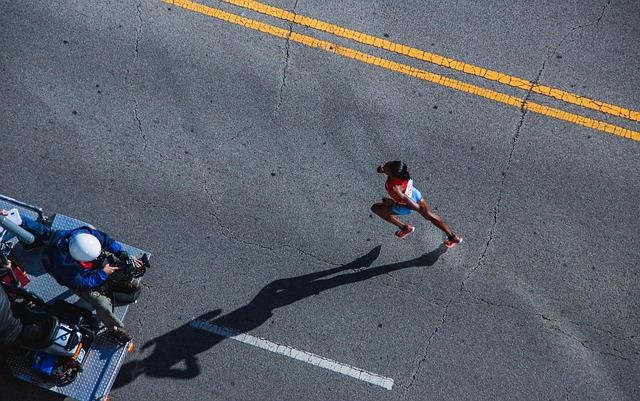
The Comrades Marathon, often hailed as the world’s ultimate ultramarathon, has transcended its status as a mere sporting event to become a deeply ingrained cultural phenomenon in South Africa. Each year, thousands of runners from across the globe embark on the grueling 90-kilometer journey between Durban and Pietermaritzburg, not only testing their physical limits but also celebrating a legacy steeped in history, resilience, and camaraderie. As the race approaches its latest edition, the Sunday Tribune takes an in-depth look at how the legendary Comrades Marathon has evolved into a mythical force, reflecting and shaping South African identity in profound ways.
The Enduring Legacy of the Comrades Marathon in South African Heritage
Since its inception in 1921, this iconic ultramarathon has transcended the boundaries of mere sport to become a profound emblem of endurance, resilience, and unity within South African communities. Each year, thousands of runners embark on the grueling 90-kilometre journey between Durban and Pietermaritzburg, not only testing their physical limits but also connecting with a rich narrative woven into the nation’s collective identity. The race has inspired countless stories of personal triumph, community solidarity, and cross-cultural celebration, reinforcing its standing as a monumental chapter in South Africa’s heritage.
Key elements that underscore its cultural significance include:
- Historical Legacy: Born out of post-war solidarity, the event echoes themes of brotherhood and perseverance across generations.
- Community Impact: Local towns along the route come alive with vibrant festivities, symbolizing collective hope and pride.
- Global Recognition: Attracting international athletes, the marathon places South Africa prominently on the world athletics stage.
| Year | Notable Milestone | Legacy Impact |
|---|---|---|
| 1921 | First race held | Foundation of enduring tradition |
| 1962 | First female finisher unofficially timed | Paved way for gender inclusivity |
| 1990 | Post-apartheid reintegration | Symbol of national unity |
| 2020 | Virtual race due to pandemic | Innovation in tradition |
Inside the Grueling Challenge That Defines Ultra-Marathoners
For those who dare to conquer the daunting 87-kilometer stretch between Durban and Pietermaritzburg, the race is far more than a test of speed – it’s an ordeal that strips competitors to their raw physical and mental cores. Ultra-marathoners face relentless hills, unpredictable weather, and the overwhelming specter of exhaustion that relentlessly chips away at their resolve. The challenge demands more than just endurance; it requires strategic pacing, relentless mental grit, and an intimate understanding of one’s own body to combat cramps, dehydration, and the notorious “wall” that can appear without warning.
Surviving the journey involves navigating these critical elements:
- Mastering uphill climbs, especially the infamous Botha’s Hill and Polly Shortts
- Managing nutrition to sustain energy over 8 to 12 hours
- Maintaining focus amid the relentless ebb and flow of pain and fatigue
- Adjusting strategies in real-time to changing weather and terrain
| Key Challenge | Impact on Runners | Typical Duration |
|---|---|---|
| Steep Ascents | Muscle fatigue, slower pace | 2-3 hours |
| Heat and Humidity | Risk of dehydration, overheating | Continuous |
| Cramping | Disrupted rhythm, intense pain | Variable |
| Psychological Barriers | Mental exhaustion, motivation dips | Throughout race |
Expert Tips for First-Time Participants Navigating the Legendary Course
Embarking on the iconic route requires more than just physical readiness-it demands a strategic approach to the unique challenges presented by the course. Runners are advised to pace themselves conservatively in the early miles, resisting the temptation to match the eagerness of seasoned participants. Hydration is paramount; water tables are frequent, but knowing when and how much to drink can make all the difference in managing energy and avoiding cramps. Remember, the notorious hills, such as “Cowboy’s Corner” and “Polly Shortts,” are not just obstacles but milestones-acknowledging their presence mentally prepares you to tackle them with resilience.
Preparation extends beyond the track: nutrition in the weeks leading up to the race is crucial for endurance. Integrating rest days and light runs helps solidify stamina without risking burnout. Familiarity with the course profile can be a game-changer, so consider studying detailed maps or virtual topographies beforehand. Below is a quick reference guide for pacing zones and their respective energy management tips to optimize your performance.
| Section of the Course | Recommended Pacing | Key Tip |
|---|---|---|
| Start to 30 km | Steady, conversational pace | Stay calm, settle in |
| 30 km to Polly Shortts | Maintain energy, avoid sprinting | Conserve strength for climb |
| Polly Shortts to Finish | Gradually increase effort | Use downhill for recovery |
Insights and Conclusions
As the sun sets on another edition of the Comrades Marathon, its legacy continues to burn brightly in the heart of South Africa. More than just a race, it remains a powerful symbol of endurance, unity, and the indomitable spirit that defines the nation. From its historic roots to its place in contemporary culture, the Comrades Marathon endures as a mythical force, inspiring generations of runners and spectators alike. In every stride and every story, the race carries forward a uniquely South African narrative-one of challenge, perseverance, and communal pride that transcends the finish line.