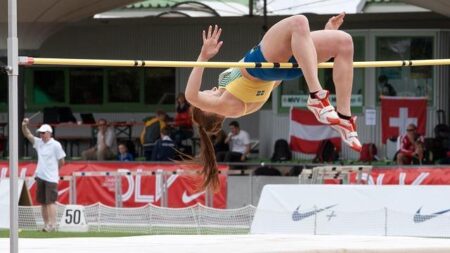
At the Olympic Games, where victory is often measured by the narrowest of margins, the awarding of two gold medals in a single event sparks intrigue and debate. “The case of two golds: Can there be ties across Olympic sports?” explores the rare but compelling instances when athletes share the top podium spot. From photo finishes in the pool to identical scores in judged events, this phenomenon challenges the traditional winner-takes-all narrative and raises questions about how ties are handled across different disciplines. As the Olympics continue to showcase extraordinary athleticism and fierce competition, this article delves into the rules, precedents, and implications of declaring joint champions on sport’s most prestigious stage.
The Unpredictable Nature of Olympic Ties and Their Impact on Medal Counts
Occurring more often than many realize, ties in Olympic events introduce a unique twist into the final medal tally, often leading to two or more athletes sharing the same podium position. While ties for third place result in multiple bronze medals being awarded, it’s the rare instances of dual golds that truly capture headlines and spark debate. This unpredictability forces organizers and statisticians to adapt the medal count dynamically, as standard ranking systems sometimes struggle to accommodate these anomalies. Moreover, such ties highlight the razor-thin margins that define elite competition, whether in timed races, judged routines, or head-to-head matchups.
- Impact on National Medal Counts: A tie for gold can unexpectedly inflate a country’s tally, creating a shift in overall rankings.
- Historical Occurrences: While ties are uncommon, notable cases have arisen across sports like swimming, athletics, and figure skating.
- Rule Variations: Different sports govern ties differently-some allow joint medals, while others have tie-break protocols.
| Olympic Year | Sport | Event | Outcome |
|---|---|---|---|
| 2016 | Swimming | Women’s 100m Freestyle | Two Golds awarded |
| 1992 | Figure Skating | Pairs | Gold tie, no silver awarded |
| 2020 | Archery | Men’s Individual | Tie broken by shoot-off |
How Different Sports Handle Gold Medal Deadlocks and What It Means for Athletes
Across Olympic disciplines, procedures for resolving a tie for the gold medal vary significantly, reflecting each sport’s unique competitive nature. In swimming and athletics, for example, photo finishes and electronic timing systems often eliminate deadlocks, but on rare occasions, exact ties still occur. When two athletes clock identical times, both are awarded gold medals without a tiebreaker, acknowledging their joint supremacy. Contrastingly, combat sports like boxing or judo implement a detailed point system and, if needed, extra rounds or judges’ decisions to pinpoint a single winner. Team sports, such as hockey or basketball, generally use overtime or shootouts, ensuring only one champion stands atop the podium.
For athletes, sharing a gold can be a bittersweet experience. On one hand, earning a joint title secures their place in Olympic history; on the other, it diminishes the singular glory normally reserved for champions. This duality impacts sponsorship opportunities, career momentum, and national pride in distinct ways. Below is a quick overview of how select Olympic sports handle deadlocks for first place:
| Sport | Deadlock Resolution Method | Gold Medal Outcome |
|---|---|---|
| Swimming | Electronic timing, no tiebreaker | Multiple golds awarded |
| Judo | Golden Score overtime & judges | Single gold awarded |
| Gymnastics | Score averaging and deductions | Possible shared golds |
| Track Cycling | Photo finish & timed sprints | Single gold awarded |
| Figure Skating | Judges’ ranking system | Single gold awarded |
Recommendations for Standardizing Tie-Break Procedures Across Olympic Disciplines
To ensure clarity and uniformity in awarding medals, the International Olympic Committee (IOC) should consider adopting a universal framework for tie-breaks applicable across all sports. Such a system would reduce confusion among athletes, officials, and fans, while preserving the integrity of competition. Key elements might include:
- Clear hierarchical criteria: Established formulas or performance metrics that can progressively resolve ties.
- Transparent protocols: Real-time communication explaining decisions during events.
- Consistent medal allocation: Guidelines on when to award multiple medals versus implementing tie-breaks.
Table: Proposed tie-break criteria hierarchy
| Rank | Criterion | Example Sports |
|---|---|---|
| 1 | Performance Metric Comparison | Athletics, Swimming |
| 2 | Head-to-Head Results | Fencing, Judo |
| 3 | Additional Playoff/Jump-Off | Equestrian, Archery |
| 4 | Shared Medal | Diving, Gymnastics |
Ultimately, harmonizing tie-break procedures could enhance the spectator experience and maintain fairness, ensuring that every medal awarded accurately reflects the athletes’ efforts. Coordination between individual International Federations and the IOC will be essential to implement these recommendations effectively.
The Way Forward
As the Olympics continue to captivate audiences worldwide, the question of whether two athletes can share the top podium spot remains a compelling topic. While ties are rare, they underscore the extraordinary level of competition and the fine margins that separate champions. Whether in timed events, judged sports, or team competitions, the possibility of dual gold medals serves as a reminder that sometimes excellence is simply too close to call. As the Games evolve, so too will the rules and technologies that determine victory, but the spirit of shared triumph will always remain a distinct part of the Olympic narrative.