
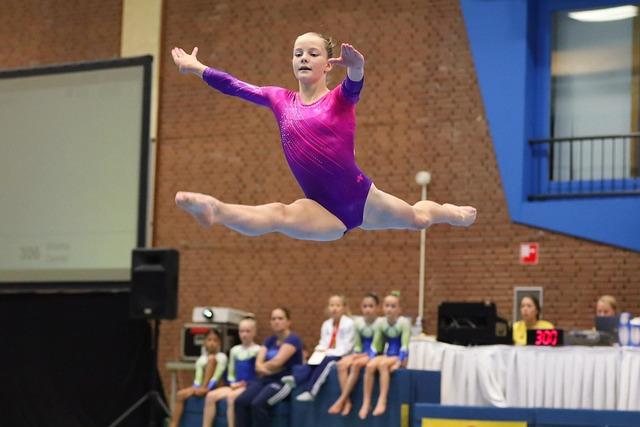
In recent years, the phrase “throwing like a girl” has sparked conversations far beyond playground taunts, evolving into a rallying cry for equality in athletics. KNPR’s latest segment, “Throwing like a girl: a fair play for girls’ sports,” delves into the ongoing efforts to level the playing field for female athletes. As girls’ sports gain momentum and visibility, the discussion centers on fair competition, access to resources, and dismantling long-standing stereotypes. This article explores the challenges and triumphs faced by female athletes striving for recognition and fairness in the world of sports.
Rethinking Gender Bias in Youth Sports Coaching
In youth sports, coaching approaches have long been shadowed by entrenched stereotypes that unintentionally reinforce gender inequalities. These biases often lead to differential treatment, such as emphasizing aggression and competitiveness for boys while encouraging cooperation and caution for girls. However, recent studies and coaching programs are shifting this narrative by promoting skill development and confidence equally among all athletes, regardless of gender. By dismantling outdated stereotypes and embracing inclusive training methods, coaches can foster a more equitable environment that values effort and potential over preconceived notions of ability.
Key strategies to address gender bias include:
- Implementing gender-neutral performance metrics
- Encouraging mixed-gender team activities to boost mutual respect
- Providing coach education on unconscious bias and communication styles
- Creating safe spaces for girls to express competitiveness and leadership
| Bias Type | Impact on Athletes | Countermeasure |
|---|---|---|
| Skill Assumptions | Limits girls’ participation in skill drills | Use equal drills for all |
| Communication Style | Girls receive more praise, less constructive feedback | Balanced and direct feedback |
| Leadership Opportunities | Fewer chances for girls to lead teams | Encourage rotational leadership roles |
Empowering Girls Through Inclusive Training Techniques
Breaking away from outdated stereotypes, training programs now focus on celebrating the unique strengths girls bring to sports rather than comparing them to boys’ standards. Coaches are employing adaptive techniques that tailor drills to diverse physical and psychological learning styles, fostering confidence and resilience. By integrating inclusive practices such as mixed-gender drills and peer mentoring, these sessions not only build skill but also create safe environments where girls feel empowered to take risks and excel.
Key components of these progressive training approaches include:
- Skill Diversification – Emphasizing agility, coordination, and strategy over sheer strength.
- Positive Reinforcement – Encouraging effort and improvement with personalized feedback.
- Cultural Sensitivity – Recognizing and respecting diverse backgrounds to enhance participation.
- Collaborative Drills – Encouraging teamwork and communication to build social confidence.
| Training Element | Benefit for Girls | Example Activity |
|---|---|---|
| Adaptive Drills | Increases personalized skill development | Modified throwing drills focusing on technique |
| Peer Mentorship | Builds leadership and confidence | Senior players guide younger teammates |
| Mixed-Gender Practice | Promotes fair competition and respect | Cooperative team challenges |
Building Fair Play Standards to Support Female Athletes
Ensuring equitable opportunities in sports for female athletes requires more than just equal access to facilities or funding-it demands the development of fair play standards that recognize the unique challenges women face on and off the field. This involves creating rules and guidelines that not only protect athletes from discrimination and bias but also promote an inclusive environment where talent and dedication are prioritized over outdated stereotypes. For instance, standardized policies on equipment suitability, considerate scheduling of events, and support for mental and physical health are critical components to leveling the playing field.
Key elements contributing to fair play in girls’ sports include:
- Customized training programs tailored to physiological differences.
- Strict enforcement of anti-discrimination policies at all competition levels.
- Access to female coaches and mentors to foster leadership and confidence.
- Transparent and unbiased officiating practices.
| Standard | Description | Impact | ||||||||||
|---|---|---|---|---|---|---|---|---|---|---|---|---|
| Equipment Fit | Sports gear designed for female physiques | Enhances performance and reduces injury risk | ||||||||||
| Health Protocols | Regular screenings and mental health support | Improves long-term athlete well-being | ||||||||||
| Refereeing Guidelines | Bias training and accountability for officials |
Ensuring equitable opportunities in sports for female athletes requires more than just equal access to facilities or funding-it demands the development of fair play standards that recognize the unique challenges women face on and off the field. This involves creating rules and guidelines that not only protect athletes from discrimination and bias but also promote an inclusive environment where talent and dedication are prioritized over outdated stereotypes. For instance, standardized policies on equipment suitability, considerate scheduling of events, and support for mental and physical health are critical components to leveling the playing field. Key elements contributing to fair play in girls’ sports include:
|