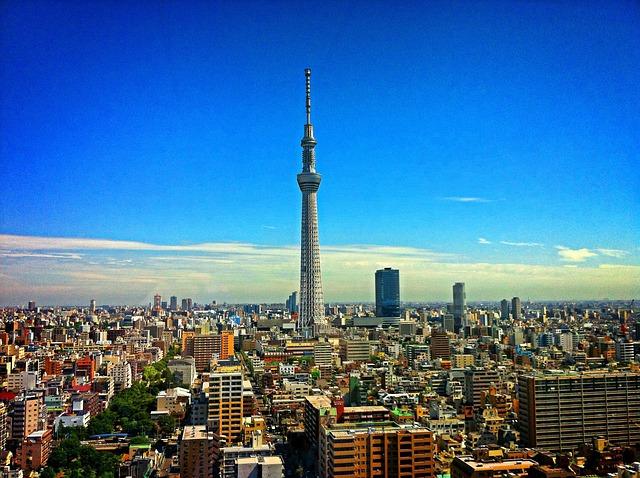
In a significant shift ahead of the Tokyo 2020 Olympic Games, organizers have confirmed that the marathon and race walk events will be relocated from the capital to Sapporo. The decision follows growing concerns over Tokyo’s intense summer heat, which poses serious health risks to athletes competing in endurance races. This move aims to provide more favorable conditions for competitors by taking advantage of Sapporo’s cooler climate, underscoring the challenges faced in hosting outdoor events amid rising temperatures.
Tokyo 2020 Organizers Shift Marathon and Race Walk Events to Sapporo to Combat Extreme Heat
In a significant decision reflecting concerns over athlete safety, organizers of the Tokyo 2020 Olympics have announced the relocation of the marathon and race walk events from Tokyo to Sapporo. This move aims to counter the anticipated extreme heat conditions in the capital during the summer, with temperatures in Tokyo often soaring well above comfort levels for endurance athletes. Sapporo, located approximately 800 kilometers north of Tokyo, offers a cooler climate and a more favourable environment to host these grueling long-distance competitions.
Officials highlighted several key factors influencing the shift:
- Historical Weather Data: Sapporo consistently records average temperatures 5-7°C lower than Tokyo in late July and early August.
- Athlete Welfare: Reducing heat stress improves performance and minimizes risks such as heatstroke and exhaustion.
- Logistical Preparations: Rapid infrastructure adaptations are being coordinated to accommodate athletes, media, and spectators.
| City | Average August Temp (°C) | Heat Index Risk |
|---|---|---|
| Tokyo | 31.2 | High |
| Sapporo | 24.5 | Moderate |
Assessing the Impact of Venue Change on Athletes and Event Logistics
The unexpected decision to move the marathon and race walk events from Tokyo to Sapporo-a city nearly 800 kilometers north-has introduced a complex set of challenges for athletes and event organizers alike. Competitors must now recalibrate their training regimes to adapt to the cooler and more humid climate of Hokkaido, potentially impacting performance strategies honed specifically for Tokyo’s urban landscape. Logistical considerations also mount as teams face upheaval in transport arrangements, accommodation bookings, and acclimatization schedules, all under tight timelines.
Event management faces the daunting task of coordinating resources across two distant locations, ensuring seamless communication and operational efficiency. Key adjustments include:
- Relocating medical teams and hydration stations appropriate for different environmental conditions.
- Revising traffic control plans to accommodate altered race routes across unfamiliar city streets.
- Enhancing heat mitigation protocols despite lower temperatures, factoring in athlete safety and competition integrity.
| Aspect | Tokyo | Sapporo |
|---|---|---|
| Avg. Summer Temp | 30°C | 25°C |
| Humidity | High | Moderate |
| Altitude | Low (sea level) | Slightly elevated |
| Travel Distance from Olympic Village | 0 km | ~800 km |
Experts Recommend Enhanced Cooling Strategies and Scheduling Adjustments for Future Summer Games
In response to rising global temperatures and the growing concern over athlete safety, sports scientists and event organizers are advocating for comprehensive cooling strategies and revised scheduling to combat extreme heat during major summer sporting events. These measures include increased availability of cooling stations equipped with mist fans, ice vests, and shaded rest areas, as well as the integration of real-time heat monitoring technologies throughout competition venues. Experts emphasize that proactive hydration protocols and mandatory heat acclimatization periods prior to events are critical components in minimizing heat-related health risks for competitors.
Key recommendations for future events include:
- Scheduling endurance events in early morning or late evening hours to avoid peak heat
- Enhancing athlete education on heat stress symptoms and preventive actions
- Implementing dynamic event delay or cancellation policies based on heat index thresholds
- Adopting venue-specific adaptations such as increased green spaces for cooling
| Strategy | Benefits | Implementation |
|---|---|---|
| Cooling Stations | Reduces core temperature, prevents heatstroke | Ice packs, misting fans at key points |
| Event Rescheduling | Limits exposure to high heat | Flexible start times, contingency planning |
| Heat Acclimatization | Improves athlete tolerance | Pre-competition training protocols |
Concluding Remarks
As the Tokyo 2020 Olympic Games approach, the decision to relocate the marathon and race walk events to Sapporo marks a significant adjustment driven by athlete safety concerns amid intense summer heat in the capital. Organizers continue to adapt logistical plans to ensure optimal conditions for competitors, underscoring the evolving challenges of hosting global sporting events during increasingly unpredictable climate conditions. The move to Sapporo reflects a broader commitment by the International Olympic Committee and local authorities to prioritize health while maintaining the integrity of Olympic competition.