
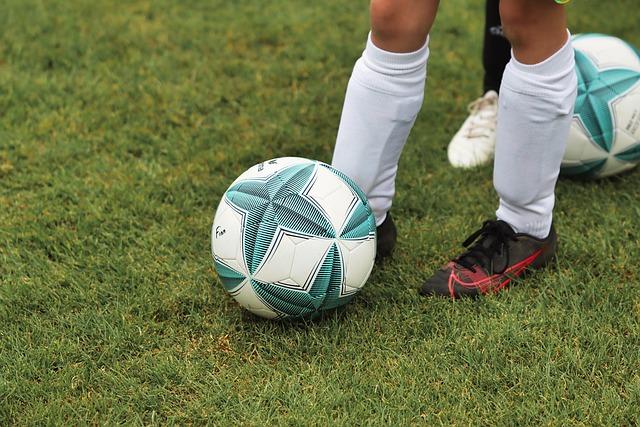
As youth sports continue to gain popularity across the nation, parents and coaches face increasing pressure to encourage early specialization in a single athletic discipline. Johns Hopkins Medicine sheds light on this growing trend, examining the benefits and drawbacks of youth sport specialization while offering expert age guidelines to help families make informed decisions. This article explores the complex balance between fostering athletic excellence and safeguarding the physical and mental health of young athletes.
Benefits of Early Sport Specialization for Skill Development and Competitive Edge
Focusing early on a single sport allows young athletes to develop advanced skills at a faster pace than their multi-sport peers. This concentrated practice contributes to refined technique, muscle memory, and sport-specific strategies that can set a foundation for higher-level competition. Research shows that athletes who specialize early often demonstrate superior coordination, tactical awareness, and performance consistency during critical developmental years, offering them a tangible competitive advantage.
Early specialization also facilitates access to elite training environments, such as specialized coaching, competitive leagues, and tailored conditioning programs. Below is a breakdown of key benefits often associated with early sport specialization:
- Enhanced skill mastery: Focused repetition leads to quicker adaptation and expertise.
- Strategic insights: Immersion enables deeper understanding of game mechanics.
- Higher visibility: Talent identification opportunities increase within competitive circles.
- Structured development: Personalized training plans optimize physical growth and injury prevention.
Health Risks and Psychological Impacts Linked to Intense Youth Sport Training
Engaging in highly specialized and intense training during youth sports has been linked to a range of physical health risks. Young athletes who focus exclusively on one sport often face increased chances of overuse injuries such as stress fractures, tendonitis, and growth plate damage. The repetitive strain on developing muscles, joints, and bones can lead to chronic conditions that may hinder long-term athletic performance or even affect everyday mobility. Moreover, early sport specialization may contribute to burnout, leaving athletes physically depleted and emotionally drained.
Beyond physical concerns, psychological effects related to intense youth sport training are increasingly recognized. The pressure to perform and succeed can generate significant stress, anxiety, and decreased enjoyment, potentially fostering negative self-esteem or identity issues. Signs to watch for include:
- Reluctance or refusal to attend practice or competitions
- Heightened irritability or mood swings
- Withdrawal from social activities and peers
- Visible decline in academic or personal interests
| Psychological Impact | Potential Cause | Consequence |
|---|---|---|
| Burnout | Excessive practice without rest | Loss of motivation |
| Anxiety | Performance pressure | Decreased enjoyment |
| Low self-esteem | Fear of failure | Social withdrawal |
Expert Age Guidelines and Balanced Approaches to Prevent Burnout and Injury
Leading pediatric and sports medicine organizations advocate for age-appropriate participation to safeguard the well-being of young athletes. Experts emphasize delaying intense specialization until at least the age of 14 to reduce risks of overuse injuries and mental burnout. A balanced athletic schedule encourages children to engage in multiple sports, allowing the development of all-around physical skills and preventing repetitive strain. Critical guidelines recommend limiting organized sport participation to fewer hours per week than the child’s age, ensuring ample time for rest and recovery.
Implementing these recommendations involves a strategic blend of training, rest, and diverse activities. Parents and coaches are urged to foster positive environments where competition does not compromise health. Below is a simplified age-based framework illustrating suggested participation levels and focus for youth athletes:
| Age Group | Recommended Training | Specialization Focus |
|---|---|---|
| 6-10 years | 1-3 hours/week, multiple sports | Skill development, fun |
| 11-13 years | 3-6 hours/week, varied activities | Broaden athletic skills |
| 14+ years | 6-12 hours/week | Gradual specialization with rest |
- Encourage diversified physical activity to minimize repetitive strain.
- Prioritize rest days to support growth and injury prevention.
- Monitor for signs of burnout including fatigue and decreased motivation.
The Conclusion
As youth sports continue to captivate young athletes and their families, the debate over early specialization remains a complex and evolving issue. Johns Hopkins Medicine underscores the importance of balanced participation, highlighting both the potential benefits of focused training and the risks associated with burnout and injury. Experts advise parents and coaches to consider age-appropriate guidelines and encourage diverse athletic experiences to promote long-term physical and mental well-being. As research advances, staying informed and adopting a thoughtful approach will be key to nurturing healthy, motivated young athletes.