

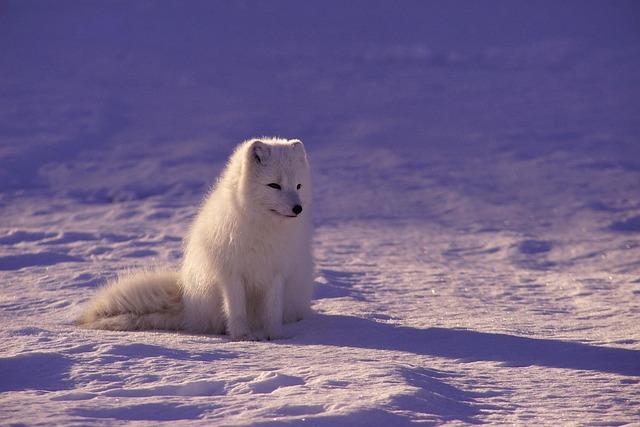
Athletes from around the world are being pushed to their physical and mental limits as they take on the grueling Yukon Arctic Ultra marathon, one of the most demanding endurance events on the planet. Battling subzero temperatures, treacherous terrain, and isolation in Canada’s vast northern wilderness, participants face a relentless test of stamina and resilience. The annual race, covered extensively by CBC, shines a spotlight on the extraordinary challenges and triumphs of those who dare to compete in this ultimate Arctic adventure.
Athletes Face Severe Weather and Physical Challenges in Yukon Arctic Ultra Marathon
Facing sub-zero temperatures that can plummet well below -40°C, athletes in this grueling ultramarathon battle not only the relentless cold but also treacherous terrain. Frostbite, hypothermia, and exhaustion are constant threats as participants traverse snow-covered trails, frozen rivers, and unpredictable ice fields stretching over hundreds of kilometers. Many carry heavy sleds loaded with essential gear, making every step a test of endurance and mental strength.
Competitors must also contend with sudden weather changes, including fierce winds and blizzards that reduce visibility to near zero. Successful racers rely on meticulous preparation and unyielding perseverance. Their survival toolkit is as crucial as their physical condition, often containing:
- Thermal layered clothing designed for Arctic conditions
- GPS devices and compasses for navigation
- High-calorie food supplies to sustain energy
- Emergency shelters and first aid kits
| Challenge | Impact on Athletes | Preventive Measures |
|---|---|---|
| Extreme Cold | Risk of frostbite, hypothermia | Layering, insulated gear |
| Heavy Sleds | Muscle fatigue, slower pace | Strength training, pacing |
| Blizzard Conditions | Low visibility, disorientation | Navigation tools, group travel |
| Frozen Terrain | High risk of slips and injuries | Proper footwear, trekking poles |
Strategies for Endurance and Survival in Extreme Cold Conditions
Enduring the relentless freeze of the Yukon Arctic Ultra requires more than just physical fitness-it demands an unyielding mental fortitude and a finely tuned survival strategy. Competitors must prioritize layering with moisture-wicking, insulating fabrics, ensuring they retain body heat without sweating excessively. Hydration plays a paradoxical role; despite the icy environment, dehydration remains a critical threat. Athletes combat this by melting and consuming snow when necessary, while supplementing their diet with high-calorie, easy-to-digest foods such as nuts and energy gels to sustain metabolic warmth.
Essential survival tactics include:
- Consistent calorie intake: Maintaining steady energy levels combats the body’s calorie burn, often exceeding 5,000 kcal/day.
- Layer management: Regular adjustment of clothing layers prevents overheating and perspiration-induced chill.
- Navigation and rest: Utilizing GPS tools and adhering to scheduled rest periods mitigate exhaustion and exposure risk.
| Factor | Survival Tip |
|---|---|
| Hydration | Consume warm fluids; melt snow safely |
| Clothing | Layering; avoid cotton |
| Nutrition | High-fat snacks & energy gels |
| Rest | Scheduled breaks to preserve energy |
Expert Tips for Preparing and Competing in Ultra-Distance Winter Races
Competing in ultra-distance winter races requires not only peak physical conditioning but also meticulous preparation tailored to extreme cold and unpredictable terrain. Seasoned athletes recommend building endurance through long, sustained training sessions combined with cold-weather acclimatization. Layering your gear strategically to balance insulation and breathability is essential; this includes moisture-wicking base layers, insulated mid-layers, and robust outer shells resistant to wind and moisture. Nutrition plays a critical role, with a focus on high-calorie, easily digestible foods that can be consumed on the move to maintain energy reserves throughout the grueling race distance.
Equally important is mastering mental resilience and navigation skills. Ultra-distance winter competitors often encounter isolation, disorientation caused by snow-covered trails, and rapidly changing weather conditions that test their resolve. Experts suggest creating a strong support system, including reliable communication tools and checkpoint planning, to minimize risk. The following equipment checklist is widely endorsed by veterans for optimal race-day preparedness:
- Multi-layered clothing system tailored for sub-zero temperatures
- High-calorie, portable nutrition such as energy gels and nut butters
- Quality sleeping bag rated well below expected temperatures
- GPS and physical maps with compass for navigation
- Emergency shelter gear like bivvy sacks or lightweight tents
- Reliable footwear with proper insulation, grip, and support
- Hydration system resistant to freezing
| Training Focus | Recommended Sessions | Target Outcome |
|---|---|---|
| Endurance | Weekly long runs of 3-5 hours | Build stamina and aerobic capacity |
| Cold Acclimatization | Outdoor workouts in sub-zero temps | Adapt body temperature regulation |
| Mental Conditioning | Visualization and meditation practices | Enhance focus and stress management |
Insights and Conclusions
As the Yukon Arctic Ultra marathon continues to test the limits of human endurance in one of the planet’s most unforgiving environments, the athletes who brave its icy terrain embody a remarkable spirit of resilience and determination. Their journeys not only highlight the extreme physical and mental challenges faced in such conditions but also shine a light on the growing appeal of ultramarathon events that push competitors beyond conventional boundaries. With each grueling mile through the Arctic cold, these runners redefine what it means to persevere against the elements, capturing the attention and admiration of sports enthusiasts worldwide.