


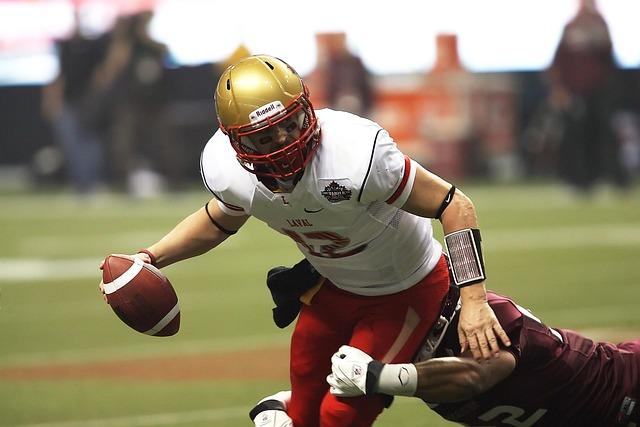
College sports in the United States are facing a pivotal moment, according to the latest findings from the Knight Commission and Elon University poll. As debates intensify over issues such as athlete compensation, governance, and the future direction of collegiate athletics, the joint survey reveals growing public concern and calls for reform. This comprehensive poll sheds new light on the perspectives of fans, students, and stakeholders, highlighting the challenges and opportunities that lie ahead for college sports at a time of significant change.
Knight Commission and Elon Poll Reveal Divided Opinions on College Sports Future
Recent findings from the Knight Commission and Elon Poll underscore a nation divided on the trajectory of college athletics. While many stakeholders emphasize preserving traditional amateurism, a growing faction supports increased commercialization and athlete compensation reforms. Key areas of contention include:
- Pay-for-play models: Nearly 48% of respondents advocate allowing athletes to profit from their name, image, and likeness, signaling a shift away from strict NCAA restrictions.
- Academic vs. athletic priorities: Opinions remain split on whether educational missions or competitive success should dominate college sports programs‘ focus.
- Governance structures: Debate continues over whether the NCAA, individual conferences, or independent bodies should lead reform efforts.
The polls reveal distinct regional and demographic divides as well. Younger fans and athletes are generally more open to transformation, while older alumni and administrators frequently express concern about preserving college sports’ integrity. Below is a snapshot of opinion trends across various groups:
| Group | Support for Athlete Compensation | Preference for Traditional Model |
|---|---|---|
| Student-Athletes | 68% | 16% |
| General Public | 45% | 40% |
| Alumni | 33% | 52% |
| University Administrators | 29% | 60% |
Challenges Facing College Athletics Including Athlete Compensation and Governance
The landscape of college athletics is rapidly evolving, with critical issues such as athlete compensation and governance taking center stage. The rise of Name, Image, and Likeness (NIL) rights has sparked intense debate over equitable pay for student-athletes, challenging traditional models of amateurism. Institutions must now navigate complex regulations while ensuring fairness and sustainability. At the same time, concerns about inconsistent governance structures highlight the need for greater accountability and transparency across college sports programs.
Key challenges facing college athletics include:
- Balancing commercial interests with athlete welfare to prevent exploitation
- Ensuring equitable resource distribution among institutions of varying sizes and conferences
- Addressing compliance gaps amid shifting rule landscapes and NIL deals
- Improving athlete representation in decision-making bodies
The table below illustrates the current state of athlete compensation and governance challenges reported in recent studies:
| Challenge | Prevalence | Impact on Athletes |
|---|---|---|
| Unequal NIL Opportunities | High | Creates disparities among sports and demographics |
| Governance Fragmentation | Medium | Limits enforcement consistency |
| Lack of Athlete Voice | High | Reduces policy effectiveness |
| Resource Imbalance | Medium | Impacts competitive fairness |
Recommendations for Reform Emphasizing Transparency and Athlete Wellbeing
To restore trust and ensure the future stability of collegiate athletics, greater transparency must be prioritized at every organizational level. This means publicly disclosing detailed financial records related to athlete funding, including scholarships, healthcare, and educational resources. Transparent reporting on the allocation of revenues from broadcasting rights and sponsorship deals will also empower stakeholders-fans, athletes, and institutional administrators alike-to better understand and influence the economic dynamics at play. An open platform for athlete grievances regarding treatment or compensation can further solidify accountability, creating a culture where student-athletes’ voices are central to decision-making.
Equally important is the implementation of robust wellness programs focused explicitly on athlete health, safety, and mental wellbeing. Beyond physical injury prevention, comprehensive mental health services, nutritional guidance, and career transition counseling should become standard elements of athletic departments nationwide. Institutions are encouraged to adopt a multi-disciplinary approach by integrating medical experts, nutritionists, and psychologists into their sports programs. The table below outlines key reform areas alongside actionable steps to promote athlete-centered care:
| Reform Area | Recommended Actions |
|---|---|
| Financial Transparency |
|
| Athlete Health |
|
| Mental Wellbeing |
|
| Career Support |
|
To Wrap It Up
As college sports stand at a pivotal crossroads, the findings from the Knight Commission and Elon Poll underscore the urgent need for reform that balances financial viability, athlete welfare, and institutional integrity. Stakeholders across the spectrum-from university officials to policymakers and fans-must engage in informed dialogue to navigate these challenges. The future of collegiate athletics will depend largely on the decisions made today, shaping not only the economic landscape but the very culture of college sports for years to come.