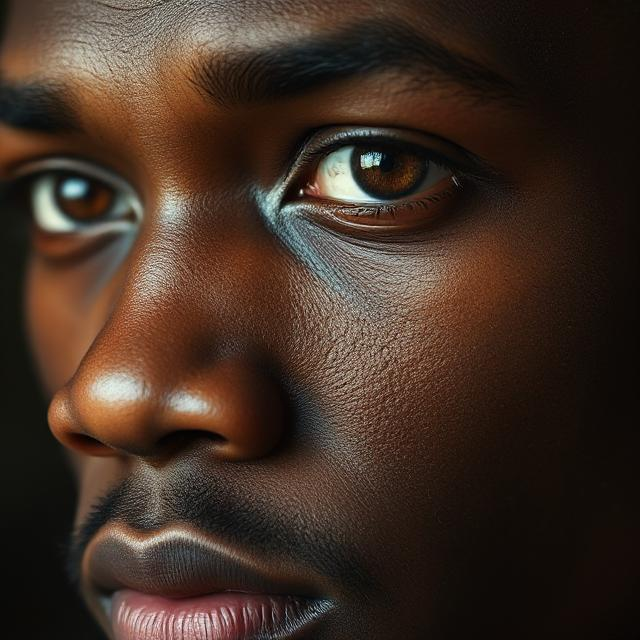
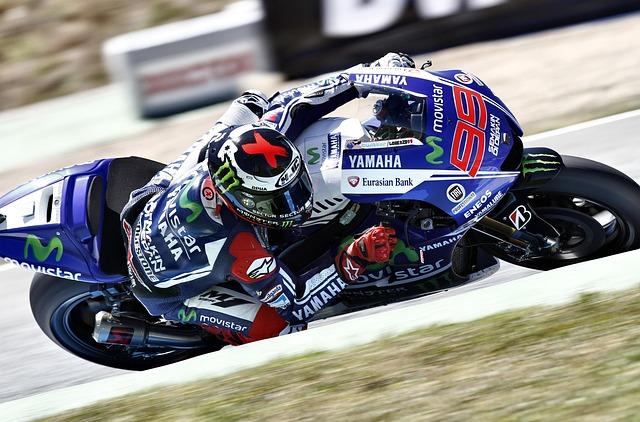
Saravanan, despite being unable to walk or speak, continues to defy the odds by participating in competitive racing events. His remarkable determination and resilience have captured public attention, challenging conventional perceptions of physical limitations. This story sheds light on Saravanan’s journey, highlighting how passion and perseverance can transcend even the most daunting obstacles.
Saravanan Defies Physical Limitations to Compete in Competitive Racing
Despite being unable to walk or speak, Saravanan has carved a niche for himself in the world of competitive racing, showcasing an indomitable spirit that transcends physical barriers. Utilizing advanced adaptive technologies and the unwavering support of his dedicated team, he commands high-speed racing vehicles with precision and agility. His participation not only challenges conventional perceptions of disability but also inspires a growing movement toward inclusivity in motorsports.
Key factors contributing to Saravanan’s success include:
- Customized Controls: Specialized equipment tailored to his unique physical needs allows seamless interaction with the vehicle’s steering and acceleration systems.
- Team Coordination: A strong, synchronized support crew manages in-race adjustments and communication through alternative technologies.
- Relentless Determination: Saravanan’s mental resilience and commitment have been pivotal in overcoming adversity and achieving competitive performance.
| Aspect | Details |
|---|---|
| Mobility | Non-ambulatory, requires adaptive tech |
| Communication | Speech impaired, uses assistive devices |
| Racing Category | Adaptive Motorsports |
| Support Team | 4 specialists, 24/7 coordination |
Understanding the Challenges Faced by Athletes with Severe Disabilities
Athletes like Saravanan confront a myriad of obstacles that extend far beyond the physical limitations imposed by their conditions. Without the ability to walk or speak, communication barriers and mobility restrictions pose significant challenges to training routines and participation in competitive events. Many rely heavily on adaptive technologies and personalized support systems, which require consistent funding and expertise often lacking in local sports infrastructure. The emotional resilience demanded to push through pain, societal misconceptions, and limited access to professional coaching underscores a struggle not always visible to the public eye.
Support mechanisms for athletes with severe disabilities are evolving, but disparities remain. Key challenges include:
- Access to specialized equipment tailored to individual needs.
- Inclusive coaching methodologies that accommodate diverse abilities.
- Public awareness to combat stigma and promote acceptance.
- Financial constraints limiting participation in national and international competitions.
| Challenge | Impact | Current Solutions |
|---|---|---|
| Communication Barriers | Difficulty in expressing needs during training | Use of assistive communication devices |
| Mobility Limitations | Restricted movement during competition | Customized racing wheelchairs and adaptive gear |
| Funding Shortages | Limited access to resources and events | Government and NGO sponsorship programs |
Advocating for Inclusive Sports Programs and Enhanced Support Systems
Despite facing immense physical challenges, Saravanan’s journey underscores the critical need to broaden the scope of sports programs to embrace athletes with disabilities. Traditional sports infrastructures often overlook individuals who cannot conform to standard participation metrics, leaving them marginalized. Inclusive sports programs not only promote physical well-being but also foster a sense of community and purpose for differently-abled persons. Advocates argue for tailored training methods, adaptive equipment, and accessible facilities that empower athletes like Saravanan to push their limits and compete on their own terms.
In tandem with inclusive programming, there is an urgent call for strengthened support systems that address the holistic needs of disabled athletes. This includes psychological counseling, medical assistance, and financial aid. To illustrate, the following table highlights essential support categories recommended by disability sports experts:
| Support Category | Purpose | Examples |
|---|---|---|
| Accessible Training | Enable participation without physical barriers | Adaptive gear, specialized coaching |
| Mental Health Services | Provide emotional resilience and motivation | Counseling, peer support groups |
| Financial Support | Alleviate costs related to medical care and equipment | Grants, sponsorships |
| Community Engagement | Build social networks and raise awareness | Workshops, inclusive events |
In Retrospect
Saravanan’s story is a compelling reminder of the human spirit’s resilience against adversity. Despite his inability to walk or speak, his determination to continue racing challenges conventional perceptions of physical limitations. As Saravanan pushes forward, he not only races against time but also against the barriers that society often places on individuals with disabilities. His journey inspires a broader conversation about inclusivity in sports and the unyielding power of perseverance.