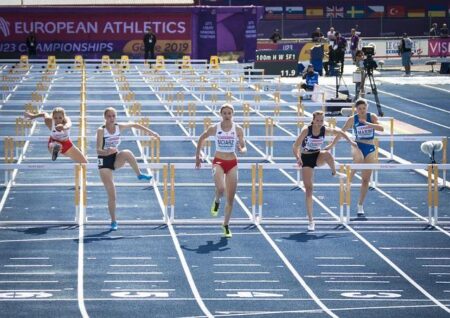

Karsten Warholm, Norway’s record-breaking 400m hurdles champion, is entering a new phase of his athletic journey following his landmark performance at the Tokyo Olympics. After shattering longstanding world records and cementing his status as one of track and field’s premier talents, Warholm is now recalibrating his training and ambitions ahead of upcoming competitions. This article explores how the celebrated hurdler is navigating the pressures of newfound fame and the rigorous demands of maintaining peak performance on the global stage.
Karsten Warholm’s Journey from Tokyo Triumph to Tactical Transformation
Karsten Warholm’s Olympic gold in Tokyo didn’t just mark a pinnacle in his 400m hurdles career; it also sparked a period of intense self-reflection and strategic reevaluation. After shattering his own world record with a breathtaking 45.94 seconds finish, Warholm recognized the need to evolve beyond sheer speed and strength. His focus has since pivoted towards refining race tactics, energy distribution, and hurdle technique to maintain his edge in an increasingly competitive field. This tactical transformation is showing signs of reinvigorated purpose as he prepares for upcoming global championships.
Behind the scenes, Warholm’s training incorporates innovative adjustments, including:
- Emphasis on split-second hurdle clearance efficiency
- Adaptive pacing strategies tailored to specific competitors
- Enhanced mental conditioning to sustain focus under pressure
| Aspect | Pre-Tokyo | Post-Tokyo Focus |
|---|---|---|
| Hurdle Technique | Explosive but inconsistent | Precise and energy-saving |
| Race Strategy | All-out sprint | Measured pacing |
| Mental Approach | Confidence from speed | Focused resilience |
Analyzing the Impact of Warholm’s Record-Breaking Performance on Future Training
Warholm’s historic 45.94-second finish in Tokyo has not only reset the bar for the 400m hurdles but also sparked a fresh evaluation of training methodologies across elite athletics. Coaches and sports scientists are increasingly focusing on integrating enhanced biomechanical analysis and tailored recovery protocols to emulate the optimal balance Warholm achieved between speed, endurance, and technique. His ability to sustain near-maximal velocity while maintaining impeccable hurdle form suggests a paradigm shift toward more individualized, data-driven training regimens that minimize injury risks while maximizing explosive power.
Key areas of future training focus inspired by Warholm’s performance include:
- Advanced Video Motion Analysis for hurdle clearance efficiency
- Periodized training cycles emphasizing lactate threshold improvement
- Use of wearable technology for real-time biomechanical feedback
- Increased emphasis on mental resilience techniques during race simulations
| Training Component | Traditional Approach | Warholm-Inspired Innovation |
|---|---|---|
| Speed Work | General sprint drills | Hurdle-specific sprint sessions with fatigue |
| Strength Training | Basic weightlifting | Explosive plyometrics & functional strength |
| Recovery | Passive rest | Active recovery with cryotherapy and physiotherapy |
Expert Recommendations for Sustaining Peak Performance in Competitive Hurdling
Consistency in Training and Recovery is paramount for athletes aiming to stay at the pinnacle of 400m hurdles. Karsten Warholm’s approach emphasizes balancing intense, specialized workouts with strategic recovery periods. His regimen integrates high-intensity interval training with plyometric drills targeting explosive power, complemented by crucial rest days to prevent burnout and injuries. Incorporating cross-training activities such as swimming and cycling also plays a vital role in maintaining overall conditioning without overloading the body.
Mental Resilience and Tactical Adaptation continue to distinguish champions in hurdling events. Warholm’s post-Tokyo recalibration highlights the importance of psychological stamina, focusing on visualization techniques and mindfulness to sharpen race-day focus. Additionally, he adapts his race tactics based on factors including track conditions and competitor dynamics, ensuring flexibility within a disciplined framework. Below is a simplified breakdown of key focus areas for sustained elite hurdling performance:
| Focus Area | Warholm’s Emphasis |
|---|---|
| Physical Conditioning | Power & Endurance Balance |
| Technical Drills | Hurdle Precision & Rhythm |
| Recovery | Active Rest & Mobility Work |
| Mental Training | Visualization & Focus |
| Race Strategy | Adaptive Pacing & Timing |
- Nutrition: Balanced fuel to sustain energy and promote muscle repair.
- Monitoring: Use of sports science for injury prevention and performance tracking.
- Community Support: Engagement with coaches and peers to refine technique and nurture motivation.
Wrapping Up
As Karsten Warholm continues to recalibrate following his historic Tokyo performance, his journey remains a compelling narrative of resilience and ambition. Norway’s 400m hurdles star has not only redefined the limits of his discipline but also set a new standard for athletic excellence. With eyes firmly set on future competitions, Warholm’s evolving approach promises to keep the athletics world watching closely as he seeks to build on his record-breaking legacy.