

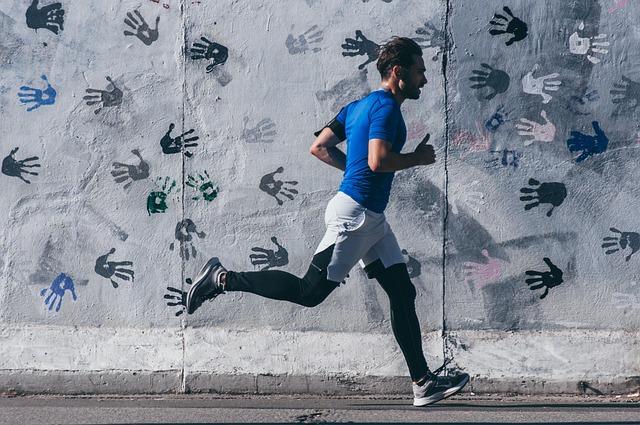
Europe is witnessing a revival in running, as the sport experiences a surge in popularity across the continent. From bustling city marathons to community fun runs, more Europeans are lacing up their trainers and hitting the pavement than ever before. This renewed enthusiasm is not only boosting participation numbers but also reshaping the athletic landscape, fueled by a combination of health-conscious lifestyles, innovative events, and growing media coverage. In this article, we explore how running is entering a new golden age in Europe and why the continent is falling back in love with the sport.
Running’s Resurgence Across Europe Driven by Community Events and Youth Engagement
Across Europe, an unmistakable wave of enthusiasm is sweeping through local communities as running events proliferate, rekindling a passion for the sport that had waned in previous decades. These gatherings, ranging from grassroots fun runs to regional races, have become more than mere competitions; they serve as vital hubs where runners of all ages and backgrounds forge connections. Organizers have tapped into the power of inclusivity and social bonding, making events accessible and engaging for families, novices, and seasoned athletes alike. This communal spirit has energized participation rates, turning running into a shared cultural experience rather than just an individual pursuit.
Youth engagement stands out as a key engine propelling this resurgence. Schools and sports clubs across the continent actively promote running through innovative programs that blend physical activity with skill development and healthy lifestyle education. These initiatives have not only nurtured young talent but also inspired a generation to view running as a lifelong habit rather than a fleeting interest. Support from national athletic federations and local authorities further boosts these efforts, creating structured pathways from casual jogging to competitive sport. The synergy between grassroot involvement and institutional backing is clearly reflected in the rising statistics:
| Year | Youth Running Event Participation (ages 10-18) |
Community Running Events Annually |
|---|---|---|
| 2018 | 350,000 | 1,200 |
| 2021 | 520,000 | 1,850 |
| 2023 | 670,000 | 2,300 |
- Interactive running clinics targeting teenagers in urban and rural areas
- Community challenges that pair novices with elite mentors
- Charity runs leveraging personal stories to deepen engagement
- Digital platforms supporting training and social interaction beyond race day
Innovative Training Methods and Technology Fueling Athlete Performance Gains
Across Europe, coaches and athletes are embracing cutting-edge training methods that blend science with technology to unlock new levels of performance. From biomechanical motion capture systems that analyze a runner’s stride in real time, to AI-driven personalized training plans, these innovations offer detailed insights previously unavailable. This tech-enhanced approach allows athletes to optimize their form, reduce injury risks, and fine-tune their endurance with unprecedented precision. European training centers are also integrating virtual reality simulations, enabling runners to mentally prepare for race conditions without leaving the track.
Complementing these sophisticated tools are unconventional yet effective training philosophies gaining momentum in Europe, such as:
- Altitude simulation chambers that replicate high-altitude conditions to boost oxygen efficiency.
- Wearable sensors that continuously monitor heart rate variability and muscle fatigue.
- Data analytics platforms that map progress against global performance benchmarks in real time.
| Technology | Benefit | Example Use |
|---|---|---|
| AI Training Apps | Customized sessions | Adjust plans based on recovery |
| VR Race Simulations | Mental preparation | Visualize race environments |
| Wearable Biosensors | Real-time biometrics | Track fatigue and hydration |
Recommendations for Cities to Foster Inclusive Running Cultures and Sustainable Infrastructure
To nurture a truly inclusive running culture, cities must prioritize accessibility and community engagement. This means developing running routes that cater to various skill levels and demographics, from beginners to seasoned athletes, while ensuring safety and ease of access for people with disabilities. Partnering with local running clubs, schools, and community organizations can create support networks that encourage participation across age groups and backgrounds. Furthermore, integrating running events that celebrate diversity and promote social inclusivity helps build a wider, more connected running community.
Urban planners and policymakers should champion sustainable infrastructure that balances environmental stewardship with athletic utility. This includes investing in green corridors that combine scenic beauty with functional running paths, expanding pedestrian zones to reduce traffic conflicts, and incorporating smart lighting and real-time monitoring to enhance safety. Collaborative efforts between municipalities can establish regional running networks, encouraging eco-friendly transport and reducing urban carbon footprints. The following table outlines key initiatives cities are adopting to foster these inclusive and sustainable running environments:
| Initiative | Purpose | Impact |
|---|---|---|
| Multi-Use Trail Systems | Accessible paths for runners, cyclists & walkers | Increased participation; reduces traffic |
| Community Running Events | Encourages diversity and social cohesion | Stronger local networks; boosts health |
| Smart Lighting & Safety Tech | Enhances safety during low-light hours | Encourages night and early morning running |
| Inclusive Design Standards | Supports runners of all abilities | Removes barriers; fosters equity |
Insights and Conclusions
As Europe embraces this renewed passion for running, the sport’s landscape is rapidly evolving-marked by soaring participation rates, innovative events, and a vibrant community spirit. With cities across the continent investing in infrastructure and athletes breaking new ground, running is proving to be more than just a pastime; it is becoming a defining feature of European culture once again. This new golden age not only highlights the sport’s enduring appeal but also signals a promising future for athletics across Europe.