
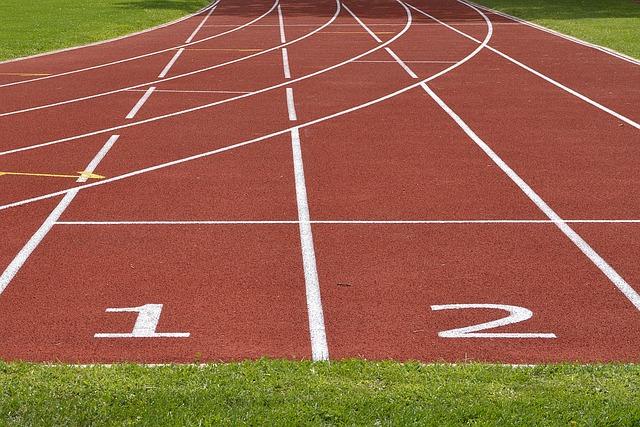
As the world’s premier sporting event unfolds, millions tune in to witness the thrill of track and field at the Olympics. Understanding the competition format is key to fully appreciating the speed, strength, and strategy on display. NBC Olympics presents “Track and Field 101,” a comprehensive guide breaking down the events, qualification rounds, and medal-deciding finals that define this cornerstone of the Olympic Games. Whether you’re a seasoned fan or a newcomer, this overview will help you navigate the excitement of Olympic track and field with clarity and insight.
Understanding the Event Structure and Qualification Criteria for Olympic Track and Field
Every Olympic track and field event follows a meticulously crafted structure designed to crown the best athletes in the world. Competitions typically begin with preliminary rounds, also known as heats or qualifications, where athletes vie for limited spots in the semifinals or finals. This elimination process ensures that only the top performers advance, maintaining intense competition throughout. Events like sprints and hurdles often have multiple rounds, while some field events may directly proceed to finals based on entry numbers. Advancement criteria vary, usually relying on the fastest times, longest distances, or highest clearances, making every moment on the track or field critical.
Qualification standards set by World Athletics are rigorous, requiring athletes to meet specific performance marks within a designated period before the Games. These benchmarks ensure that the Olympic field features elite competitors from around the globe. Additionally, athletes can qualify through their world rankings or via continental representation quotas, promoting inclusivity across nations. Below is a simplified outline of typical qualification pathways:
- Direct Qualification: Achieving the set qualifying time or distance during the qualification window.
- World Rankings: Selection based on global rankings when direct qualification isn’t met.
- Universality Places: Allowing countries with no qualified athletes to send representatives.
| Event Type | Typical Rounds | Qualification Criteria |
|---|---|---|
| 100m Sprint | Heats → Semifinals → Final | Top finishers + fastest losers advance |
| Long Jump | Qualification → Final | Automatic distance mark or top performers |
| Marathon | Direct Final | Qualifying time or ranking |
Breaking Down the Heats Semifinals and Finals: What to Expect in Each Stage
As athletes advance from the initial heats, the intensity ramps up in the semifinals, where every fraction of a second counts. Unlike the heats, which often serve as an opportunity to qualify safely, semifinals demand peak performance as only the top finishers proceed to the finals. This stage eliminates most contenders, leaving a select group of runners, jumpers, or throwers who are within striking distance of Olympic glory. Expect tactical races and all-out efforts, as competitors balance energy conservation with the imperative to secure a final spot.
Key elements to watch during the semifinals and finals include:
- Sharper competition with tighter margins.
- Increased psychological pressure on athletes.
- Strategic pacing and positioning during races.
- Elevated performance levels as finalists aim for podium finishes.
| Stage | Purpose | Advancement Criteria |
|---|---|---|
| Heats | Initial filtering of competitors | Top finishers + fastest losers |
| Semifinals | Determining finalists | Top finishers only |
| Finals | Deciding medalists | Race to the finish |
Expert Tips for Following the Competition and Maximizing Your Viewing Experience
To stay ahead while following the Olympic track and field events, focus on understanding the nuances of each discipline. Pay close attention to athlete form, race strategies, and heat assignments, as these elements often predict outcomes more accurately than just final times. Leveraging NBC’s in-depth coverage, you can enhance your viewing by using the network’s live stats and athlete bios, which provide real-time insights that bring context to every lap and jump. Don’t forget to utilize split-screen features or multi-angle replays when available to catch every critical moment.
Maximize your immersion by preparing a few key points before tuning in:
- Review the Olympic schedule to catch qualifying rounds and finals, which determine medalists.
- Follow social media updates from NBC Olympics and athletes for behind-the-scenes perspectives.
- Note the competition format changes such as combined events scoring or relay team compositions.
- Engage with interactive features like polls and commentaries to join the community experience.
| Event Type | Rounds | Typical Duration |
|---|---|---|
| 100m Sprint | Heats, Semis, Final | Approx. 30 minutes |
| Marathon | Direct Final | 2-3 hours |
| Long Jump | Qualification, Final | 1-2 hours |
The Way Forward
As the world’s top athletes continue to push the limits of speed, strength, and endurance, understanding the Olympic track and field competition format enhances the viewing experience for fans everywhere. From heats to finals, each stage is meticulously structured to showcase the very best in the sport. Stay tuned to NBC Olympics for comprehensive coverage and expert insights as the excitement of track and field unfolds on the world’s biggest stage.