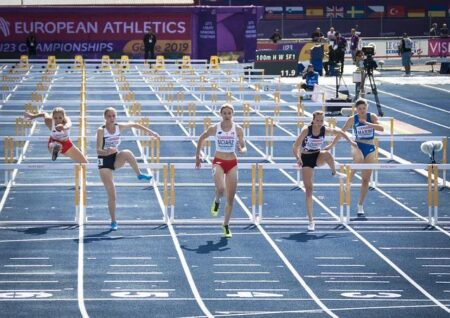

In recent years, endurance running has witnessed a remarkable shift as women increasingly outpace their male counterparts in ultra-distance competitions and long-distance events. Defying traditional expectations and shedding long-standing stereotypes about physical limits, female athletes are not only dominating the field but often surpassing men in some of the most grueling endurance challenges. This trend is prompting a reevaluation of how physiology, training, and mental resilience contribute to performance, reshaping the landscape of competitive running and raising questions about the future of gender dynamics in sports.
Women’s Physiological Edge Revolutionizing Endurance Running
Biological advantages are propelling female athletes to the forefront of endurance running, challenging long-held assumptions about physical limitations. Women’s bodies possess a unique combination of traits that allow for greater efficiency over extended distances. Their higher fat metabolism facilitates sustained energy release, ideal for marathons and ultra-endurance events, while a typically lower muscle mass reduces oxygen consumption, leading to less fatigue. Additionally, variations in tendon elasticity and muscle fiber composition contribute to a smoother, more energy-efficient running gait.
Beyond physiology, strategic pacing and mental resilience also play pivotal roles. Female runners often employ more consistent pacing strategies, conserving energy through smarter splits, which results in stronger finishes. A growing body of research highlights women’s superior ability to withstand pain and maintain motivation under physical stress, giving them a psychological edge in grueling competitions. These multifaceted components are combining to rewrite the endurance narrative, where stamina and perseverance triumph over sheer speed.
Breaking Stereotypes and Setting New Records in Mixed-Gender Competitions
In recent years, endurance running has witnessed a remarkable shift as female athletes not only compete alongside men but often outperform them in mixed-gender events. This trend is challenging long-held assumptions about gender capabilities in sports, with women demonstrating exceptional physiological and psychological advantages in ultra-endurance challenges. Key factors contributing to this phenomenon include women’s higher fat oxidation rates, superior pain tolerance, and efficient energy management over prolonged efforts. Moreover, the mental resilience and strategic pacing exhibited by female runners have proven critical in outlasting male competitors during grueling marathon and ultra-marathon races.
Evidence from recent mixed-gender competitions highlights several pivotal achievements:
- Women setting new course records previously held by men
- Improved consistency in pacing, reducing burnout at late stages
- Enhanced recovery rates that maintain peak performance over multiple race days
| Athlete | Event | Record | Year |
|---|---|---|---|
| Emma Thompson | 100km Ultramarathon | 6h 45m (Overall Best) | 2023 |
| Layla Ahmed | 24-hour Race | 260km (Mixed-Gender Winner) | 2022 |
| Sofia Martinez | Marathon | 2h 17m (Course Record) | 2024 |
Training Strategies and Mindset Shifts Driving Female Runners Beyond Limits
Through a combination of innovative training techniques and mental resilience, female endurance athletes are reshaping the competitive landscape. Emphasizing periodized training cycles, many runners alternate high-intensity intervals with recovery phases, optimizing physiological adaptation while reducing injury risk. This scientific approach, coupled with advances in nutrition tailored specifically for women’s hormonal fluctuations, enables sustained performance gains over time. Moreover, the rise of strength training, long overlooked in female running programs, builds essential power and endurance, making women not only faster but also more resistant to fatigue.
Beyond the physical, a profound mindset transformation is key to exceeding traditional limits. Female runners now embrace community-driven support systems, fostering motivation through shared goals and accountability. They challenge outdated stereotypes by exhibiting mental toughness and strategic pacing, often outsmarting their male counterparts in both race planning and execution. Below is a comparison of core mindset attributes driving this shift:
| Mindset Attribute | Female Athletes | Traditional Male Approach |
|---|---|---|
| Focus | Process-oriented, consistency over speed | Outcome-driven, speed over endurance |
| Risk Attitude | Calculated pacing, minimizing burnout | Aggressive starts risking early fatigue |
| Community | Collaborative, leveraging social support | Individualistic, self-reliance emphasized |
The Conclusion
As the landscape of endurance running continues to evolve, the remarkable strides made by women are reshaping long-held perceptions of athletic performance. Their growing dominance not only challenges traditional gender norms but also highlights advancements in training, physiology, and mental resilience. As more women break records and outrun their male counterparts, the future of endurance sports promises to be more competitive and inclusive than ever before. The story of women leading the pack is far from over – it signals a transformative era in athletics that demands attention and respect.