
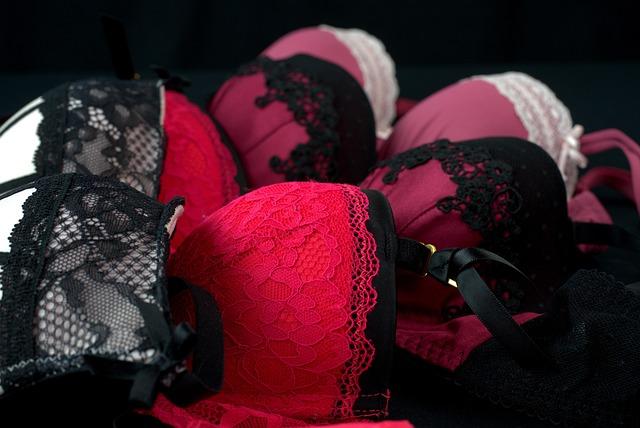
In the world of women’s athletics, one piece of apparel has revolutionized not only comfort but also performance: the sports bra. Since its inception, this essential garment has transformed the running experience for countless women, breaking barriers both on and off the track. In this article, we explore the sports bra that changed running forever-delving into its history, design innovations, and the profound impact it continues to have on female athletes everywhere. Here’s why this piece of sportswear matters more than ever in today’s running culture.
The Evolution of Support Technology Revolutionizing Women’s Running
Over the decades, advancements in support technology have played a pivotal role in transforming women’s running experience. Early sports bras lacked the structure and materials needed to provide adequate support, often leading to discomfort and interruption in training routines. However, innovations such as moisture-wicking fabrics, adjustable straps, and ergonomic designs have paved the way for enhanced comfort and performance. These technical improvements not only minimize breast movement but also reduce the risk of injury-critical factors that empower female runners to push their limits with confidence. The integration of mesh panels and seamless construction further contributes to breathability, ensuring runners stay cool during intense workouts.
These technological strides are reflected not only in athlete feedback but also in measurable performance benefits. The table below highlights key features of modern sports bras that have revolutionized support for women runners:
| Feature | Benefit |
|---|---|
| Compression & Encapsulation | Minimizes bounce, offers tailored support |
| Breathable Fabrics | Enhances moisture management, prevents overheating |
| Adjustable Straps | Customizable fit for different body types |
| Seamless Design | Reduces chafing and irritation during long runs |
| Wide Support Bands | Distributes weight evenly for comfort |
Understanding the Impact on Performance and Injury Prevention
Innovations in sports bra design have significantly altered the landscape of women’s running performance. By providing targeted support and reducing breast movement by up to 75%, these advancements minimize the musculoskeletal strain that many female runners have long endured. This support not only enhances comfort but also allows athletes to maintain better posture, leading to more efficient running mechanics and improved endurance. Athletes have reported feeling more focused and less distracted during long runs, attributing this to the reduced discomfort and bounce control.
Beyond performance, injury prevention is a pivotal benefit often overlooked. Repetitive impact without adequate support can lead to tissue damage, skin abrasions, and even chronic pain in the upper back and shoulders. The right sports bra addresses these issues by evenly distributing weight and absorbing shock, which helps in mitigating long-term injuries. Consider the following key features that contribute to both performance and injury prevention:
- Compression and encapsulation technologies for stability
- Moisture-wicking fabrics to prevent chafing
- Adjustable straps and bands for personalized fit
- Breathable construction to maintain skin health
| Feature | Performance Benefit | Injury Prevention |
|---|---|---|
| Compression Fit | Reduces bounce during sprints | Prevents tissue strain |
| Wide Straps | Distributes weight evenly | Minimizes shoulder pain |
| Mesh Panels | Enhances ventilation | Reduces risk of rash |
| Adjustable Closures | Customizes comfort | Improves support stability |
Expert Tips for Choosing the Right Sports Bra for Your Running Style
Choosing the ideal sports bra goes beyond basic fit-it hinges on understanding how your unique running style impacts the support you need. For those who favor long-distance runs, compression bras that minimize breast movement and reduce fatigue are essential. Meanwhile, sprinters or interval runners often benefit from bras that combine compression with encapsulation technology, offering enhanced support during sudden bursts of speed and intense impact. Additionally, assessing fabric breathability and moisture-wicking properties can prevent chafing and skin irritation during extended workouts.
It’s also helpful to consider specific features tailored to different preferences:
- Strap design: Racerback straps provide stability for vigorous runs, while adjustable straps cater to personalized comfort.
- Closure type: Hook-and-eye closures allow for easy on and off, especially post-run when swelling may occur.
- Padding and cup shape: Light padding aids in shaping without bulk, vital for runners seeking a streamlined silhouette.
| Running Style | Recommended Support | Key Features |
|---|---|---|
| Long-Distance | High Compression | Breathable Mesh, Moisture-Wicking |
| Sprinter/Interval | Compression + Encapsulation | Adjustable Straps, Secure Fit |
| Casual Jogging | Medium Support | Light Padding, Soft Fabric |
To Wrap It Up
As the conversation around women’s athletic wear continues to evolve, the impact of this groundbreaking sports bra remains undeniable. By addressing the unique needs of female runners, it not only enhanced comfort and performance but also challenged industry norms. Its legacy endures as a testament to innovation driven by inclusivity and function-a milestone that reshaped the running experience for women worldwide.