


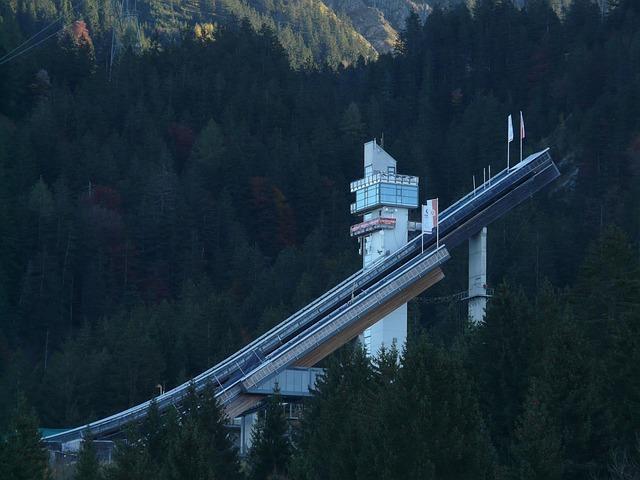
As one of the most thrilling and gravity-defying events at the Winter Olympics, ski jumping captures the imagination of millions worldwide. But beyond the heart-stopping leaps and soaring heights lies a complex system of rules, formats, and scoring that determine the champions on the podium. In this article, we break down exactly how Olympic ski jumping works-exploring the competition structure, the judging criteria, and the nuances that make every jump a strategic blend of skill and precision. Stay with us as we uncover the mechanics behind the spectacle, brought to you by ESPN.
Olympic Ski Jumping Format Explained: From Qualifiers to Finals
At the Olympic Games, the ski jumping competition unfolds through multiple stages designed to test both skill and consistency. The event begins with qualifiers, where a larger field of athletes competes to secure a spot in the main event. Only the top 50 jumpers progress, based on their distance and style scores combined. This initial round acts as a filter, ensuring that the finals feature the best performers. Each jump is evaluated by five judges who award style points, which, along with the jump’s length, influence the athlete’s total score. Wind conditions and gate position adjustments also play a crucial role in maintaining fairness throughout the competition.
Once the finalists are determined, the competition proceeds to the two-round final. In the first round, all 50 qualified athletes jump, with their scores determining who moves forward. The top 30 competitors advance to the second round, where they jump once more. The final standings hinge on the combined scores from both rounds, making every jump critical. Below is a simplified breakdown of the competition flow and key scoring elements:
| Stage | Number of Jumpers | Key Factor | ||||||||||||||||||||||||
|---|---|---|---|---|---|---|---|---|---|---|---|---|---|---|---|---|---|---|---|---|---|---|---|---|---|---|
| Qualifications | ~60 to 70 jumpers | Top 50 advance | ||||||||||||||||||||||||
| First Round Final | 50 jumpers | Top 30 advance | ||||||||||||||||||||||||
| Second Round Final | Understanding the Essential Rules Governing Ski Jumping Competitions
At the core of this adrenaline-fueled winter sport lies a stringent set of guidelines designed to ensure fairness and precision. Competitors launch off a specially designed ramp, aiming to achieve the longest and most technically sound jump. Judges evaluate each attempt based on two main criteria: distance and style points. Distance is measured from the takeoff point to where the jumper lands, while style scores are awarded by five judges who assess body position, landing technique, and flight stability. The overall scoring system integrates these components alongside critical factors such as wind compensation and gate adjustments. Wind conditions can either aid or hinder a jumper; to maintain equity, points are added or subtracted based on the strength and direction of the wind during the jump. Similarly, if the starting gate is altered during the competition, judges apply a factor to balance the change in potential speed and trajectory. This careful calibration results in a final score that accurately reflects both the athlete’s skill and the environmental challenges faced.
Breaking Down the Scoring System: What Judges Look for and How Points are AwardedJudges play a crucial role in ski jumping by evaluating the style and form of each jumper during flight and landing. They look for a combination of controlled body position, smooth takeoff, stable flight posture, and a telemark landing-a technique where one foot is placed slightly ahead of the other for balance. Five judges each award style points ranging from 0 to 20, and the highest and lowest scores are discarded to reduce bias, leaving the middle three scores to be summed. This careful evaluation ensures that execution quality is just as important as jump length in determining the final score. Points are awarded based on a multi-faceted system that balances distance with technique. The base score starts with the distance jumped, measured in meters, with specific point values assigned per meter depending on the hill size. Additional points are granted or deducted for wind conditions and the in-run gate used, aiming to keep competition fair regardless of fluctuating environmental factors. Below is a quick overview of how each scoring component influences the total points:
In RetrospectAs the Olympic ski jumping hill continues to captivate audiences worldwide, understanding its intricate format, stringent rules, and precise scoring system adds a deeper appreciation for the sport’s blend of courage and technique. From the carefully measured in-run to the critical landing points, every element plays a pivotal role in determining the champions of this high-flying winter event. Whether a seasoned fan or a newcomer, recognizing how ski jumpers navigate these challenges offers fresh insight into why the sport remains a thrilling highlight of the Winter Games. For continued coverage and expert analysis, stay tuned to ESPN. 
Charlotte Adams
A lifestyle journalist who explores the latest trends. Related Posts   |


